
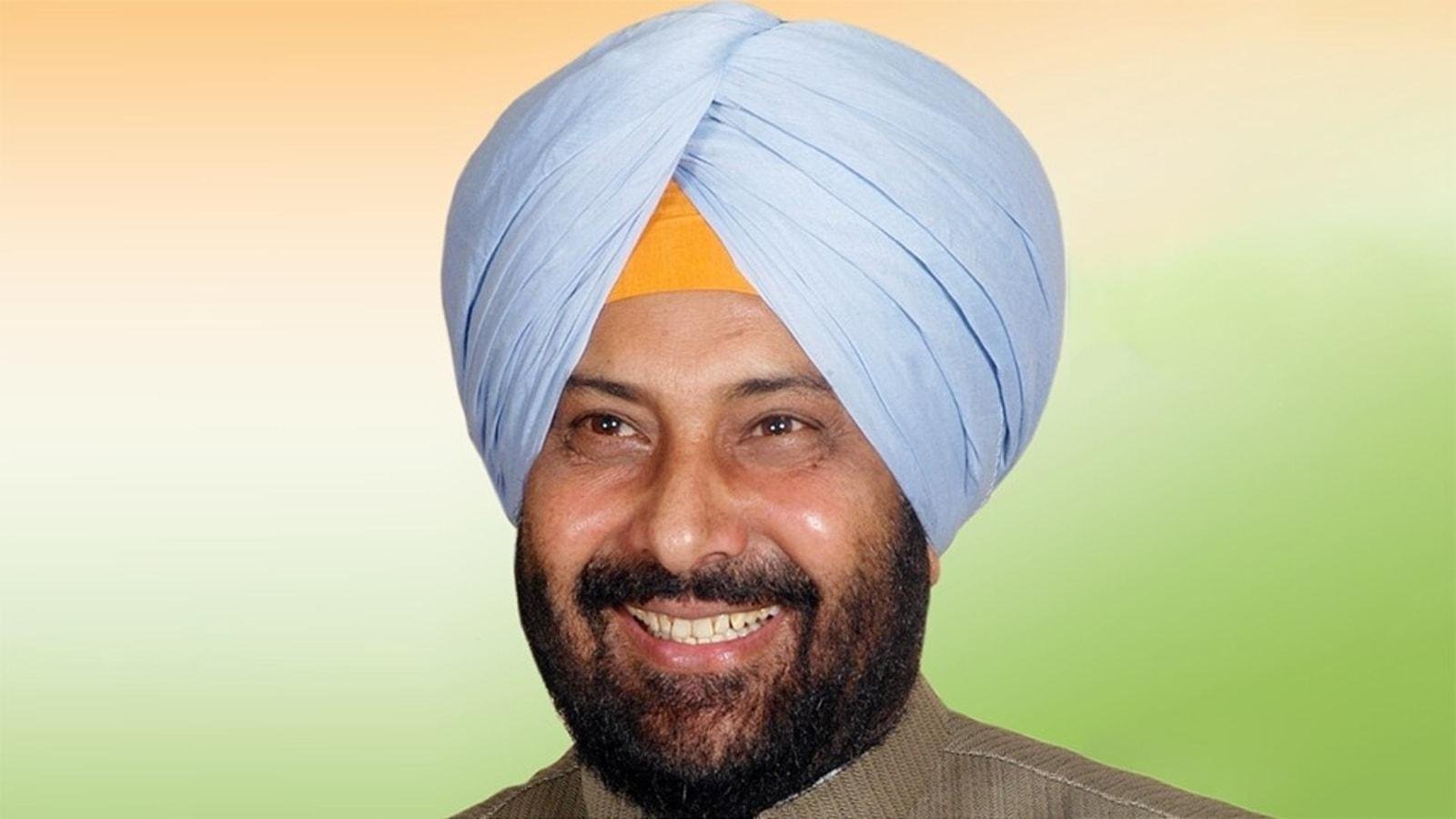
In a significant political development ahead of the next Punjab Assembly elections, the Bharatiya Janata Party (BJP) has appointed veteran leader Kewal Singh Dhillon as the new president of its Punjab unit. The move marks an important shift in the party’s strategy, as Dhillon becomes the first Jat Sikh leader to head the BJP in Punjab.
Dhillon, a former Congress leader who joined the BJP in 2022, succeeds Sunil Jakhar, whose term as state president is nearing completion. His appointment is being viewed as a carefully calculated decision by the BJP as it seeks to expand its influence in Punjab and strengthen its presence among Sikh voters.
A former MLA from Barnala and a well-known political figure in the Malwa region, Dhillon brings decades of political experience to the role. The Malwa belt is considered the most influential political region in Punjab, accounting for nearly 70 of the state’s 117 Assembly constituencies. Success in this region is often seen as the key to forming a government in Punjab.
Political observers believe Dhillon’s selection reflects the BJP’s effort to connect with grassroots voters while simultaneously appealing to the dominant Jat Sikh community. Within the party, there had been increasing demand for a Sikh leader who could effectively represent Punjab’s social and political realities. Dhillon’s background as both an agriculturist and businessman reportedly made him an attractive choice for the leadership position.
Sources within the party indicate that several senior BJP leaders supported Dhillon’s candidature. His appointment also aligns with the party’s broader objective of increasing its appeal in rural Punjab, where agriculture remains a major economic and political issue.
Following his appointment, Dhillon expressed confidence in the BJP’s future prospects in the state. He stated that the party aims to establish itself as a strong alternative and work towards transforming Punjab into one of India’s leading states in terms of development and economic growth.
The decision gains additional significance because Punjab politics has traditionally been dominated by Jat Sikh leadership, particularly in the Malwa region. By appointing Dhillon, the BJP appears to be signaling its intention to directly compete for the support base that has historically backed regional parties and the Congress.
Several other prominent leaders were reportedly considered for the position. Former state BJP president Ashwani Sharma, Union Minister Ravneet Singh Bittu, former Chief Minister Captain Amarinder Singh, Manpreet Singh Badal, and Rana Gurmeet Singh Sodhi were among the names discussed. However, party strategists ultimately favored Dhillon due to his grassroots connect, political experience, and ability to strengthen the BJP’s outreach in key constituencies.
The appointment comes at a time when the BJP is actively working to expand its footprint in Punjab following its separation from the Shiromani Akali Dal alliance. The party is seeking to establish an independent identity in the state and build a broader voter base ahead of future electoral contests.
For Kewal Singh Dhillon, the elevation represents a remarkable political journey—from being a Congress leader to becoming the face of the BJP in Punjab. His leadership will now be closely watched as the party attempts to convert organizational growth into electoral success in one of India’s most politically complex states.