
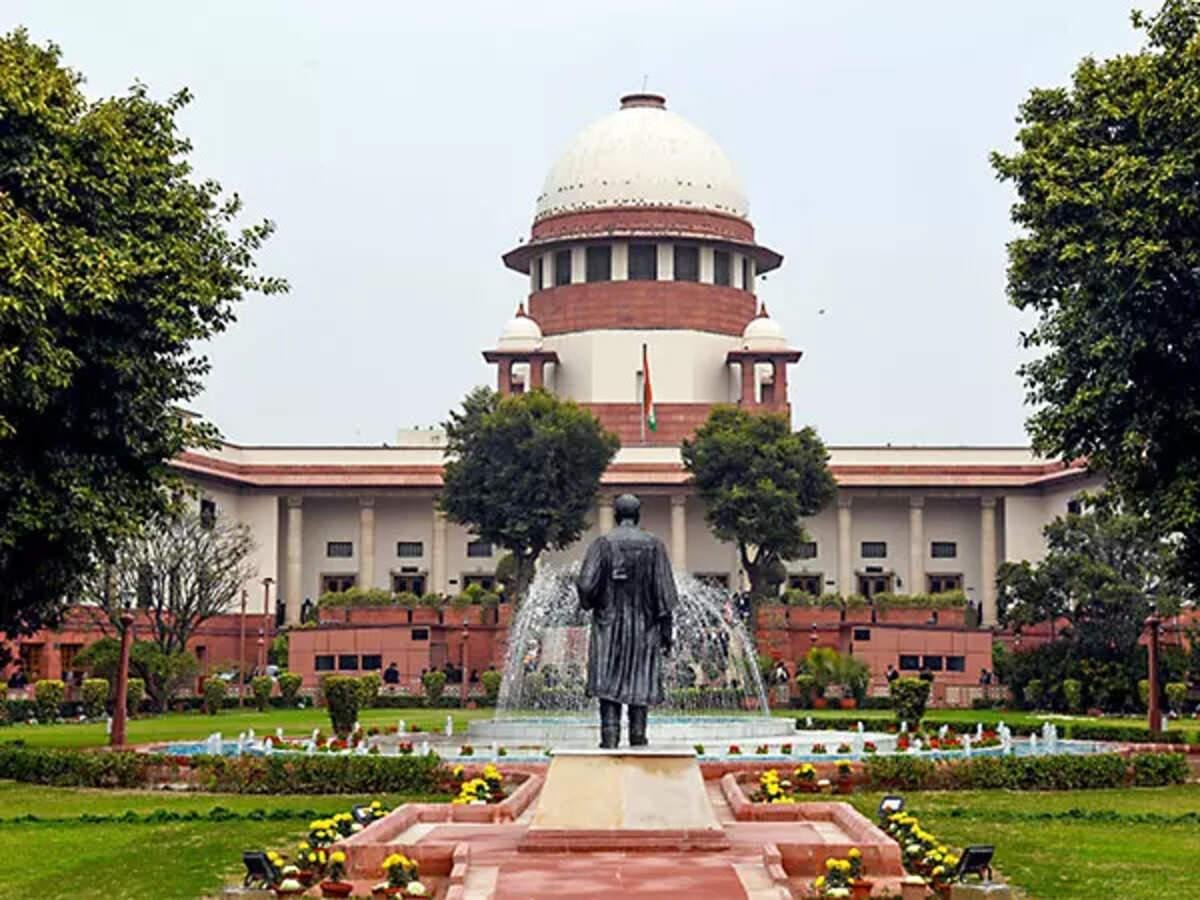
In a significant judgment addressing the ongoing issue of dowry-related harassment in India, the Supreme Court has upheld the convictions of family members involved in a dowry death case from Chhattisgarh and delivered strong observations against the mistreatment of women after marriage.
The case involved the death of a young woman who was found hanging within three years of her marriage. Investigators alleged that she had been subjected to continuous harassment and pressure from her husband and in-laws over dowry demands, including requests for cash and a vehicle. The prosecution argued that the persistent abuse and financial demands eventually pushed her toward a tragic end.
While hearing the appeal, the Supreme Court expressed concern over the continued prevalence of dowry-related cruelty in Indian society. Justice B.V. Nagarathna questioned why families seek marriage alliances only to later humiliate brides and their relatives. The court emphasized that a strong message must be sent that such behavior cannot be tolerated under any circumstances.
The Bench, which also included Justice Ujjal Bhuyan, refused to interfere with the findings of the lower courts. Both the trial court and the Chhattisgarh High Court had earlier convicted members of the husband’s family under provisions related to dowry death, abetment of suicide, and cruelty toward a married woman.
According to court records, evidence presented during the trial showed that the woman had faced repeated demands for money and other items from her marital family. Testimonies from her relatives indicated that the harassment continued until shortly before her death. Medical evidence confirmed that the woman died by hanging, and the courts concluded that the pattern of cruelty and dowry demands established a direct connection to the tragedy.
The appeal before the Supreme Court was filed by the deceased woman’s younger brother-in-law, who challenged his conviction under Section 498A of the Indian Penal Code, which deals with cruelty and harassment of married women. His legal team argued that the evidence against him was insufficient and sought relief from the conviction.
However, the court rejected the argument and observed that the petitioner should consider himself fortunate that the conviction was limited to the offence under Section 498A. The judges reiterated that harassment of brides for financial gain remains a serious social problem and requires strict legal action.
During the hearing, Justice Nagarathna made several strong observations regarding the treatment of women and their families after marriage. The court noted that many families continue to pressure brides and their parents for money and gifts, often subjecting them to humiliation and emotional abuse. Such practices, the court said, are unacceptable in a modern society.
The Bench also dismissed arguments regarding delays in filing the complaint and stressed that the focus should remain on the suffering endured by the victim and her family. Justice Bhuyan expressed concern that such incidents continue to occur even among educated families, highlighting the need for greater social awareness and accountability.
The ruling comes at a time when dowry-related violence remains a major concern across the country. Recent cases have once again drawn public attention to the issue, prompting renewed discussions about legal reforms, social attitudes, and the protection of women within marriage.
By upholding the convictions, the Supreme Court has reinforced the principle that dowry harassment and cruelty toward women will not be treated lightly. The judgment serves as a reminder that the law stands firmly against such practices and that those responsible will be held accountable.