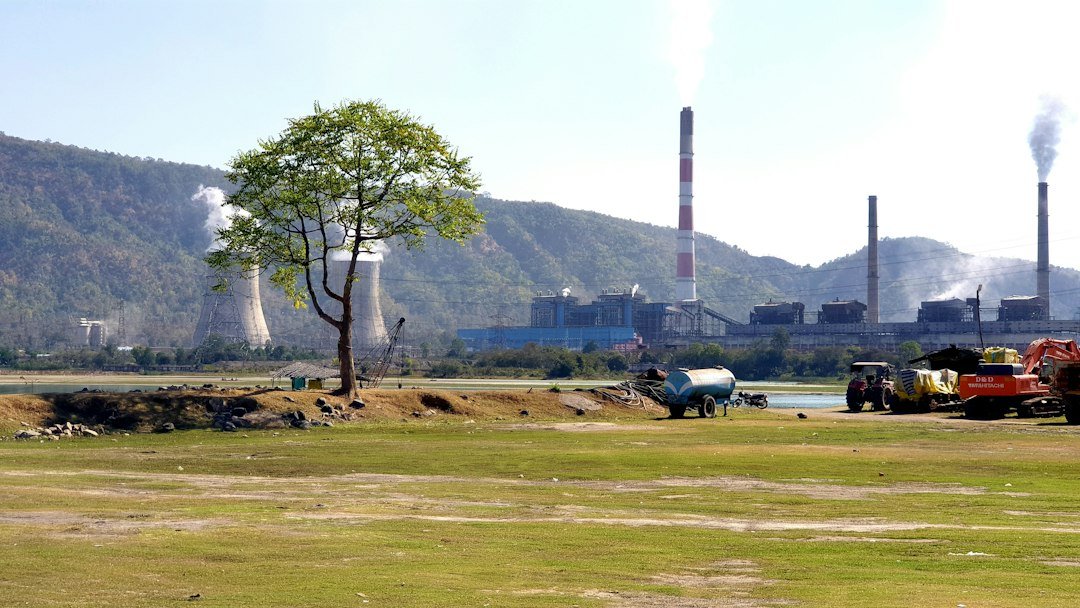
The Telangana government has directed officials to accelerate power generation at the Yadadri Thermal Power Station and arrange alternative coal supplies, bringing the plant’s fuel strategy, operating performance and long-term costs back into public focus.
Chief Minister A Revanth Reddy, reviewing the power sector with Deputy Chief Minister and Energy Minister Mallu Bhatti Vikramarka, instructed Telangana power officials to work toward full installed-capacity generation at Yadadri before Dasara. Officials were asked to explore supplies of G9-grade coal from Mahanadi Coalfields and Coal India because Singareni Collieries is not currently positioned to provide the required quantity of that grade.
The state government’s official account of the review said officials estimated that transporting coal to the plant over its operating life could impose an additional burden of about ₹40,000 crore. That figure was presented during the government review and should be understood as an official estimate rather than an independently audited figure in the material presently available.
Government officials also questioned past decisions concerning the plant’s location and coal specification. Some officials attributed those choices to the previous BRS administration. The BRS, separately, has criticised the current Congress government over power supply and plant utilisation. Those competing political claims require independent scrutiny and should not be treated as established merely because either side asserts them.
A more recent Telangana Genco statement said the plant had been asked to raise generation and that coal was being moved from alternative sources, including Mahanadi Coalfields. TGGENCO said state thermal capacity has increased and that earlier operational problems at Yadadri included coal-handling and construction issues. The utility also reported that the plant had achieved an 80% plant load factor during 2025-26 after initial problems were addressed.
The public-policy issue is larger than a party dispute. Reliable thermal generation affects household supply, industrial demand, agriculture and the finances of state power utilities. Coal quality, transport distance and plant efficiency directly influence generation cost.
The government has also asked for uninterrupted electricity for lift-irrigation systems and agriculture and for coordination with the Union Coal Ministry on fuel availability. The next measurable indicators will be actual generation levels, coal arrivals and whether the plant reaches the output targets announced by the government.