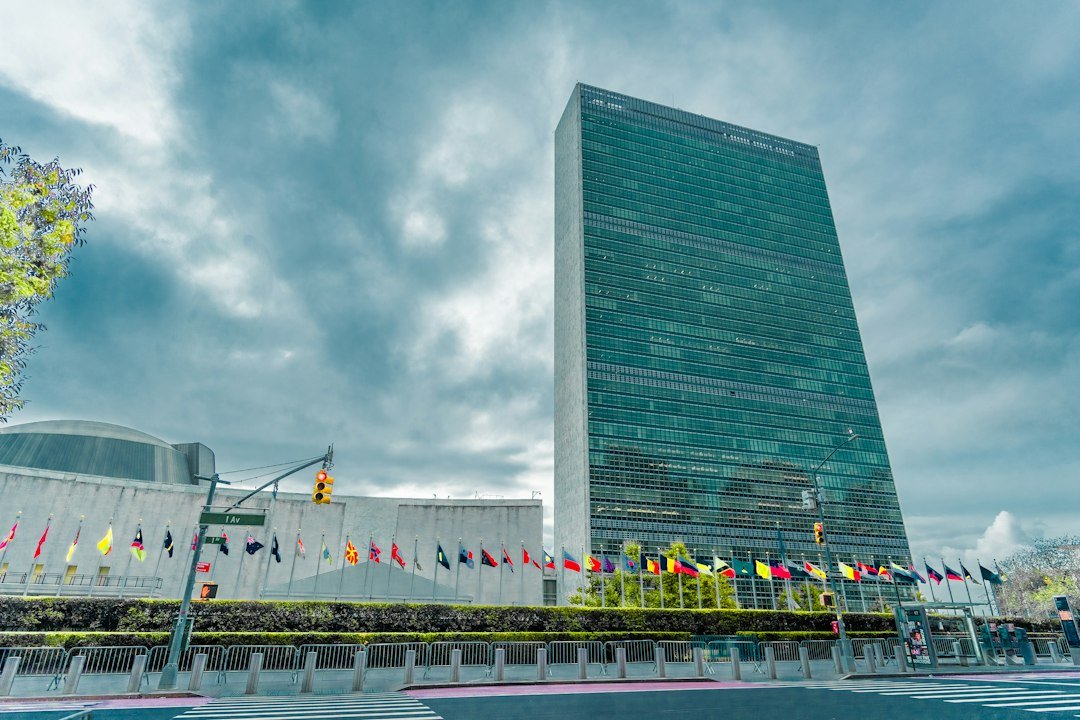
External Affairs Minister S Jaishankar used India’s address to the 81st United Nations General Assembly to set out positions on cross-border terrorism, maritime security, ongoing wars and the priorities of developing countries, while responding sharply to Pakistan’s presentation at the same forum.
Speaking in New York on September 26, Jaishankar did not name Pakistan in the central portion of his response but described the previous day’s speaker as representing a state with a long record of terrorism. He said attempts to normalise terrorism or seek immunity from its consequences would not be accepted and reiterated India’s position that governments supporting terrorism should be held accountable.
The remarks followed Pakistan Prime Minister Shehbaz Sharif’s UN speech, in which he raised Kashmir and criticised India over bilateral disputes. Pakistan rejects India’s allegations regarding terrorism and has made counter-allegations against New Delhi. Those competing accusations are part of a long-running diplomatic dispute; the UN speeches record the positions of the two governments rather than independently resolving them.
Jaishankar’s address went beyond India-Pakistan relations. He also highlighted attacks on commercial shipping and risks faced by seafarers in conflict zones, including Indian nationals. India has an economic interest in secure sea lanes because disruptions affect energy imports, trade routes, insurance costs and the safety of a large maritime workforce.
The minister also called for restraint, de-escalation and protection of civilians in ongoing conflicts, while emphasising the impact of wars on food, fuel and trade for countries in the Global South. India has increasingly used multilateral forums to argue that developing countries bear disproportionate economic costs from conflicts in which they are not direct parties.
The public-interest significance of the speech lies in the combination of security and economic diplomacy. Counter-terrorism remains a core bilateral issue with Pakistan, but maritime insecurity, energy flows and supply-chain disruptions affect Indian citizens and businesses more broadly.
The UN General Assembly address does not itself create new international obligations. It is, however, an authoritative statement of India’s current foreign-policy priorities and will shape the themes New Delhi takes into subsequent bilateral and multilateral meetings.