
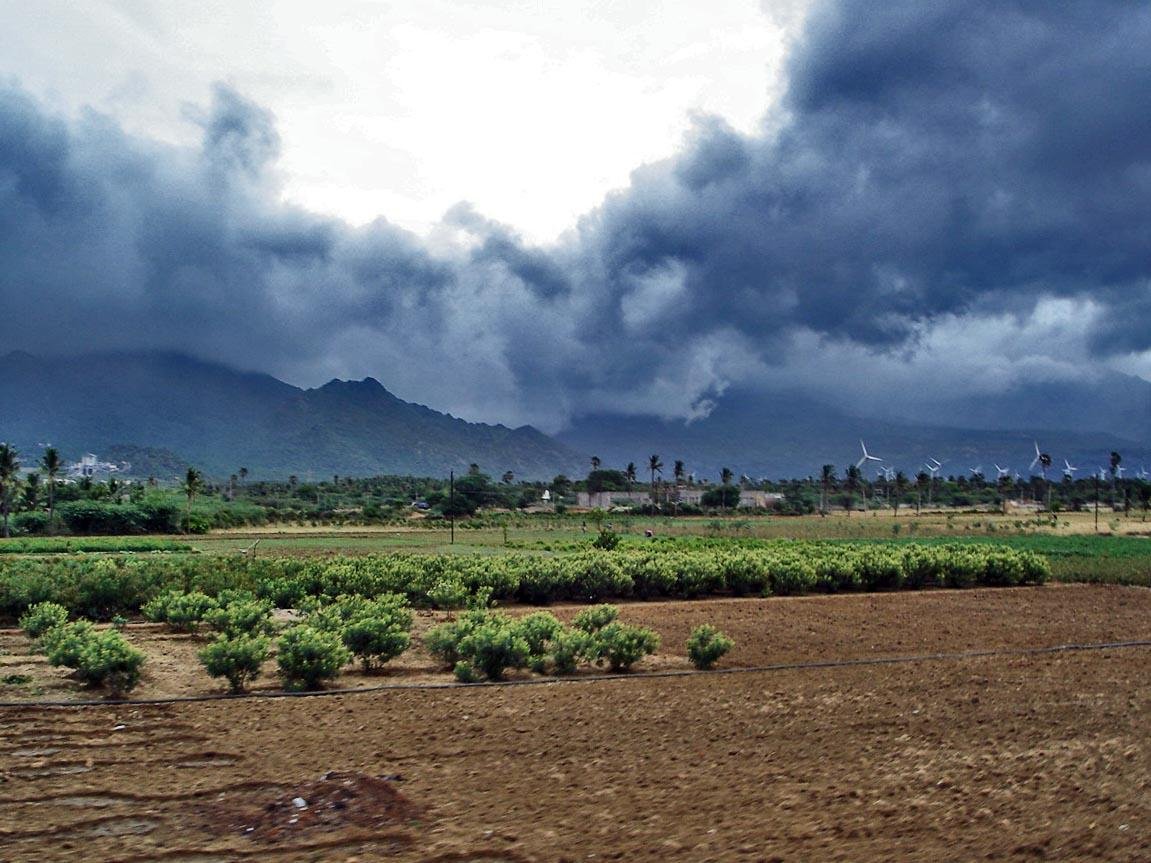
India could experience its weakest monsoon season in more than a decade in 2026, according to the latest forecast released by weather authorities. The prediction has sparked concerns among economists, farmers, and policymakers, as below-average rainfall could affect agricultural production, increase food prices, and create fresh challenges for the country’s economic growth.
The India Meteorological Department (IMD) has projected that rainfall during the crucial June-to-September monsoon season may reach only about 90 percent of the long-term average. If the forecast proves accurate, it would mark the lowest monsoon rainfall recorded since 2015 and one of the weakest performances in the last eleven years.
Weather experts attribute the expected decline in rainfall to the possible development of El Niño conditions in the Pacific Ocean. El Niño is a climate phenomenon that occurs when sea surface temperatures in the central and eastern Pacific Ocean become warmer than usual. Historically, El Niño events have often been associated with weaker monsoon rains across India, leading to drought conditions in some regions.
The Indian economy remains heavily dependent on the monsoon despite rapid industrial growth. Nearly half of the country’s agricultural land still depends on rainfall rather than irrigation systems. Millions of farmers rely on timely and adequate rainfall for sowing and harvesting crops. As a result, any significant reduction in rainfall can directly impact agricultural output and rural incomes.
Economists warn that weaker rainfall could increase inflationary pressures, particularly in the food sector. India has recently managed to keep inflation under control, but poor crop production could drive up the prices of vegetables, pulses, cereals, edible oils, and other essential commodities. Food inflation often has a widespread impact on household budgets, especially in rural and lower-income communities.
Agricultural experts are particularly concerned about the early planting season. Crops such as pulses, cotton, edible oilseeds, maize, and coarse grains could face challenges if rainfall remains below normal during the initial stages of cultivation. Rice cultivation may also be affected in regions where irrigation facilities are limited and farmers depend entirely on monsoon rains.
India plays a crucial role in global agricultural markets. The country is the world’s largest exporter of rice and onions and one of the largest producers of sugar. At the same time, India imports a significant portion of its edible oil requirements. Any reduction in domestic agricultural output could influence both domestic and international commodity markets.
Apart from agriculture, weak monsoon conditions can affect water reservoirs, groundwater levels, and hydroelectric power generation. Lower rainfall can also reduce rural spending power, slowing demand in several sectors of the economy. Since nearly two-thirds of India’s population resides in rural areas, a poor monsoon often has broader economic consequences beyond farming.
Despite these concerns, government officials remain optimistic that adequate food grain stocks, particularly rice and wheat reserves, can help cushion the impact of lower production. However, experts stress that the distribution of rainfall throughout the season will be as important as the total rainfall amount.
As India prepares for the upcoming monsoon season, weather agencies, agricultural authorities, and policymakers will closely monitor the development of El Niño conditions. The performance of the monsoon over the next few months could play a decisive role in shaping inflation trends, agricultural output, and overall economic growth during the year.