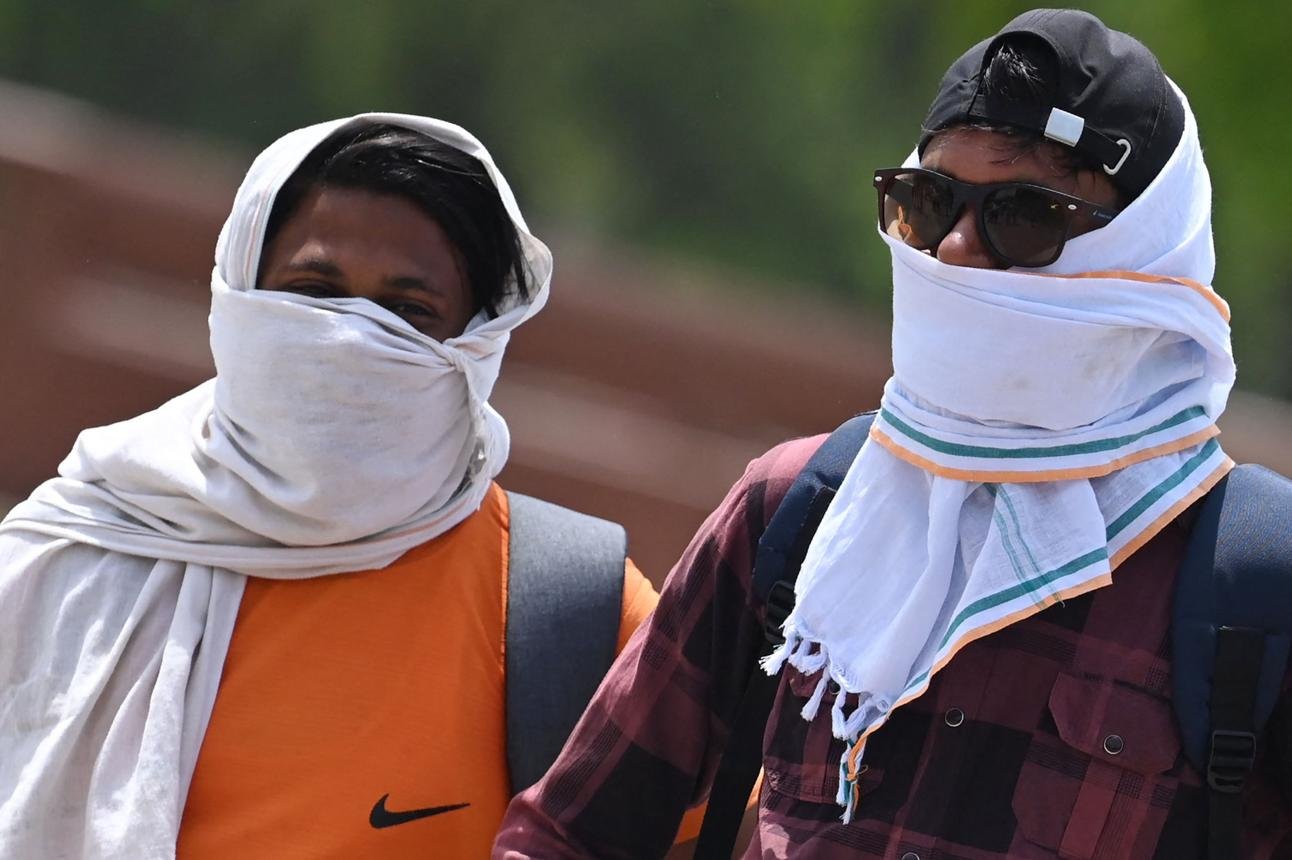
India is currently witnessing extreme and contrasting weather conditions, with intense heatwaves gripping the northern and central regions while thunderstorms and heavy rainfall affect parts of the east and northeast. According to the India Meteorological Department, this unusual weather pattern is expected to continue over the next few days, bringing little immediate relief to most areas.
Thursday turned out to be another scorching day across large parts of the country. Temperatures soared to dangerous levels, with Jharsuguda recording the highest temperature at a blistering 44.6°C. Heatwave conditions were officially declared in regions like Gangetic West Bengal and Bihar, where both daytime and nighttime temperatures remained unusually high. In states such as Haryana, Uttar Pradesh, and Himachal Pradesh, even nights offered no comfort, as temperatures failed to drop significantly.
While northern India struggled with rising temperatures, the weather scenario in the northeast and some central parts was entirely different. States like Assam, Nagaland, and Tripura experienced thunderstorms accompanied by strong winds reaching speeds of up to 95 km/h. In some areas, hailstorms added to the intensity of the weather. Similar stormy conditions were also reported in parts of Madhya Pradesh and Tamil Nadu.
The IMD has highlighted that this “split weather” pattern extreme heat in the plains and storm activity in other regions will persist for now. On Friday, the situation is unlikely to improve significantly. Northern states, including Delhi, Punjab, Rajasthan, and Uttar Pradesh, are expected to continue facing heatwave conditions, with no substantial rainfall predicted. The department has also issued warnings about “warm nights,” particularly in Delhi and surrounding regions, where temperatures are expected to remain above normal even after sunset.
In contrast, eastern and northeastern states will continue to see unstable weather conditions. Arunachal Pradesh is likely to experience heavy rainfall in isolated areas, while states like Bihar, Jammu & Kashmir, Kerala, and Sub-Himalayan West Bengal may witness thunderstorms with gusty winds. Assam and Meghalaya are also expected to remain under the influence of storm activity.
Western parts of the country, including Madhya Maharashtra and Marathwada, are likely to experience thunderstorms, lightning, and possible hailstorms. Coastal areas such as Goa and Odisha may also see strong winds and scattered rain. In southern India, the heat will remain intense, particularly in coastal Andhra Pradesh, Karnataka, and Tamil Nadu, where humid conditions are expected to persist. Kerala, however, may receive some relief in the form of scattered thunderstorms.
Looking ahead, meteorologists warn that temperatures in northwest and central India could rise further by 2–3°C before any noticeable drop occurs. A slight decrease in temperatures is expected only towards the end of the month, around April 26–29, depending on the region. Rajasthan, which has been among the worst-affected states, may finally see some relief with light rainfall predicted around April 25–26.
Authorities in some regions have already begun taking precautionary measures. For instance, in parts of Kashmir, school timings have been adjusted to protect students from the prolonged heat. Experts are advising people to stay hydrated, avoid outdoor activities during peak afternoon hours, and take extra care of vulnerable groups such as children and the elderly.
For those in areas prone to thunderstorms, safety measures are equally important. People are urged to stay indoors during storms, avoid sheltering under trees, and keep away from electrical appliances and water sources during lightning activity.
India is facing a challenging weather phase with extreme heat and unpredictable storms. While relief is expected in the coming days, citizens must remain cautious and prepared to deal with these conditions.