The death of RTC driver Shankar Goud has sent shockwaves across Telangana, triggering emotional reactions as well as sharp political criticism. The incident, which is being linked to ongoing issues faced by RTC employees, has once again brought the spotlight on the struggles of transport workers in the state.
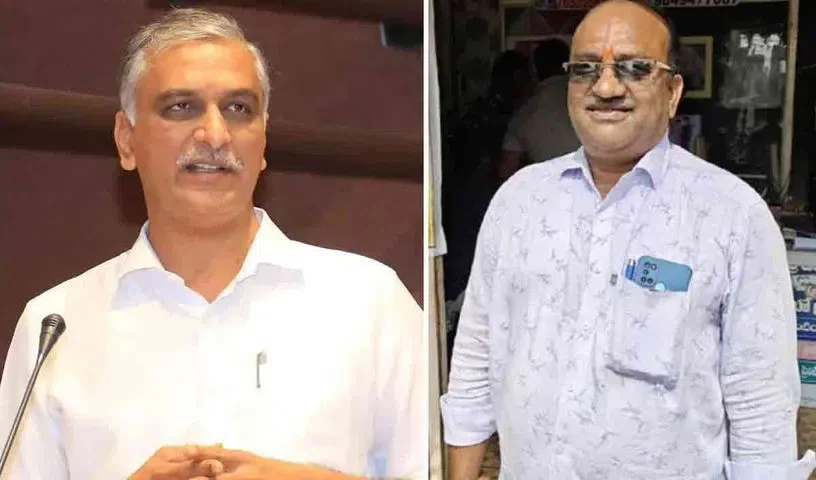
Senior BRS leader T. Harish Rao expressed deep sorrow over the tragic loss and described it as a heartbreaking incident that has shaken many. He paid tribute to Shankar Goud, stating that his sacrifice reflects the growing frustration among workers who have been fighting for their rights and the survival of the RTC system.
At the same time, Harish Rao strongly criticized the current government led by Revanth Reddy, holding it responsible for the situation that led to the tragedy. According to him, the government’s delay in addressing the concerns of RTC workers has created an atmosphere of distress and uncertainty. He accused the administration of failing to honor promises made during elections, particularly those related to RTC reforms and employee welfare.
Harish Rao emphasized that while the loss of life is deeply unfortunate, such extreme steps should not be seen as a solution. He urged RTC workers to remain united and continue their struggle through lawful and peaceful means rather than resorting to drastic actions. He reassured them that his party stands in support of their demands and will continue to raise their issues at every platform.
The BRS leader also demanded immediate action from the government to address the grievances of RTC employees. He called for the removal of restrictions on workers’ protests and insisted that pending issues, including financial dues of retired employees, be resolved without further delay. He further suggested that the government take concrete steps to rebuild trust among workers by initiating meaningful dialogue.
In a symbolic demand, Harish Rao proposed that the day of Shankar Goud’s death be officially recognized to honor his sacrifice. According to him, such recognition would serve as a reminder of the need to protect workers’ rights and prevent similar tragedies in the future.
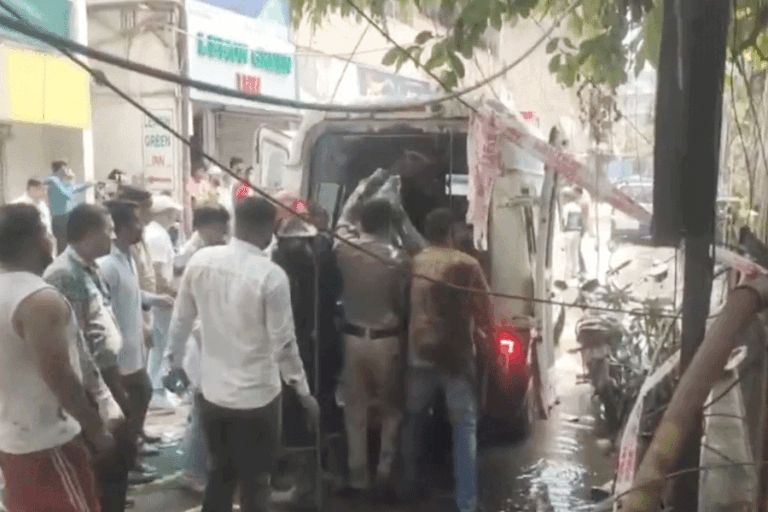
Meanwhile, the body of Shankar Goud was transported to his family’s native place in Warangal district. The final journey saw emotional scenes, with family members, colleagues, and locals gathering to pay their last respects. The funeral is expected to be attended by several supporters and fellow workers, highlighting the impact of the incident on the community.
The tragic event has also intensified the political debate in Telangana. Opposition leaders are using the incident to question the government’s approach toward labor issues, while the ruling side is expected to respond with its own perspective. The situation reflects a larger concern about the working conditions and mental stress faced by employees in public sector organizations.
Beyond politics, the incident serves as a reminder of the human cost behind unresolved labor disputes. It highlights the urgent need for constructive dialogue between the government and workers to ensure that grievances are addressed before they escalate into crises.
In conclusion, Shankar Goud’s death is not just an isolated tragedy it has become a symbol of the challenges faced by RTC workers. As the state reacts to this loss, all eyes are now on the government to take swift and effective measures to prevent such incidents in the future.