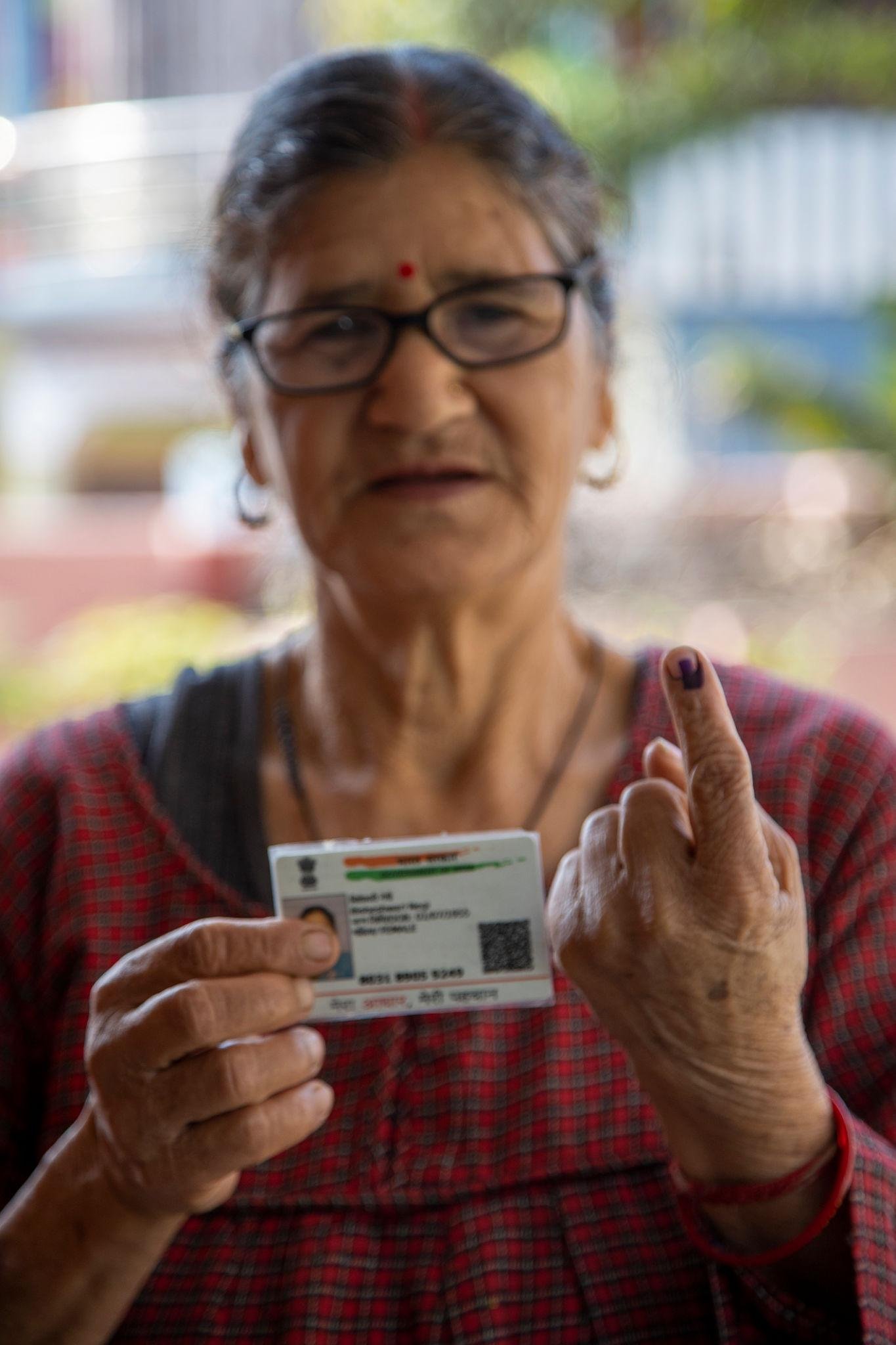
The recently concluded Assembly elections in Tamil Nadu and West Bengal have drawn significant national attention, largely due to the exceptionally high voter turnout recorded in both states. The large-scale participation of voters reflects strong democratic engagement and has sparked curiosity about how this trend might influence the final results.
In Tamil Nadu, elections were conducted across all 234 constituencies in a single phase. From early morning, polling stations saw long queues of voters waiting patiently to cast their ballots. The turnout eventually crossed 80%, which is considered notably high. What stood out was the peaceful and orderly conduct of elections. Authorities ensured tight security arrangements, allowing voters to exercise their rights without fear or disruption. Women and young voters were particularly active, showing increasing awareness and involvement in the democratic process.
Meanwhile, West Bengal witnessed an even more remarkable turnout, touching close to 90% in certain phases. This level of participation is among the highest ever recorded in the state. Voters from both urban and rural areas turned up in large numbers, highlighting the intense political interest surrounding the elections. However, unlike Tamil Nadu, some regions in Bengal reported minor clashes and tensions between political groups. Despite these incidents, the overall voting process remained largely successful due to the presence of heavy security forces.
The political landscape in both states adds further significance to the high turnout. In Tamil Nadu, the main contest is between the ruling Dravida Munnetra Kazhagam and the opposition alliance led by All India Anna Dravida Munnetra Kazhagam along with the BJP. Additionally, the entry of actor Vijay’s political party has introduced a new dimension, making the competition more dynamic and unpredictable.
In West Bengal, the battle continues to be dominated by the ruling Trinamool Congress and the opposition Bharatiya Janata Party. Both parties have strong grassroots networks, which often contribute to high voter mobilization. Each side believes that the high turnout is in its favor, interpreting the numbers based on their own political narratives.
Several factors have contributed to this surge in voter participation. Intense campaigning by political parties, increased political awareness among citizens, and the importance of these elections in shaping future governance have all played a role. In West Bengal, additional factors such as concerns over voter lists and strong security arrangements also encouraged more people to come out and vote.
Another notable trend is the rising participation of women voters. In many constituencies, women turnout matched or even exceeded that of men, signaling a positive shift toward inclusive democracy. Young voters, especially first-time participants, also showed enthusiasm, indicating growing engagement among the newer generation.
However, interpreting high voter turnout is not straightforward. Traditionally, it is often associated with anti-incumbency sentiment, suggesting that people are eager for change. But recent trends across India show that high turnout can also benefit the ruling party if it has strong public support and effective grassroots connections.
Ultimately, the large turnout reflects the vibrancy and strength of democracy in India. It shows that people are actively participating in the electoral process and are keen to have their voices heard. While the numbers indicate strong engagement, they do not clearly reveal which party will emerge victorious.
The final outcome will only be known once the votes are counted. Until then, the record turnout remains a powerful reminder of the importance citizens place on their right to vote and their role in shaping the future of their states.