
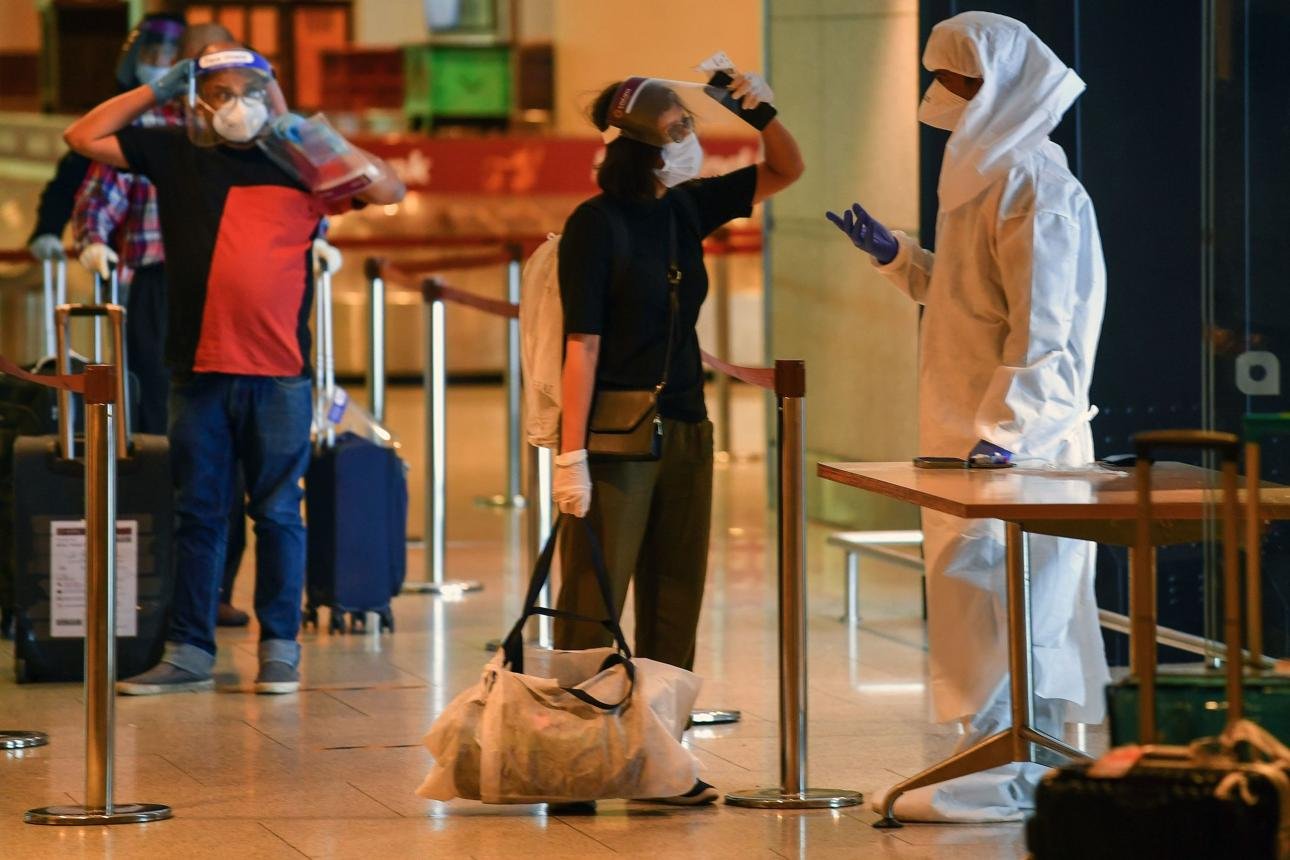
The Directorate General of Civil Aviation (DGCA) has introduced a fresh set of safety measures for airlines operating flights connected to Uganda and the Democratic Republic of Congo after the World Health Organization (WHO) declared the ongoing Ebola outbreak a Public Health Emergency of International Concern (PHEIC). The move is aimed at strengthening health surveillance and preventing the potential spread of the deadly virus through international travel.
Under the newly issued Standard Operating Procedure (SOP), airlines must ensure that all passengers arriving from affected regions complete mandatory self-declaration forms before disembarking. These forms will help health authorities identify and monitor travelers who may have been exposed to the virus.
The DGCA has also instructed airlines to make special health announcements during flights. These announcements are intended to educate passengers about Ebola symptoms and encourage anyone experiencing signs of illness to report their condition immediately. Early detection is considered critical in preventing the spread of the disease and ensuring timely medical intervention.
Passengers traveling from Ebola-affected countries have been advised to remain alert for symptoms such as fever, fatigue, muscle pain, headaches, sore throat, vomiting, diarrhea, and unexplained bleeding. Travelers experiencing any of these symptoms during their journey are required to inform cabin crew members immediately. Upon arrival in India, they should also report their condition to immigration officials or airport medical authorities for further evaluation.
Health officials have emphasized that Ebola symptoms may not appear immediately after exposure. Therefore, passengers arriving from affected areas are being advised to monitor their health for up to 21 days after entering India. If symptoms develop during this period, travelers should seek treatment from designated healthcare facilities and promptly inform airport health authorities about their travel history.
The DGCA’s SOP also includes specific instructions for handling suspected Ebola cases onboard aircraft. If a passenger displays symptoms consistent with the disease during a flight, airline staff must relocate the individual to the rear section of the aircraft whenever possible. Additionally, at least three rows of seats around the suspected patient should be kept vacant to minimize the risk of transmission to other passengers.
To ensure preparedness, airlines have been directed to maintain adequate stocks of protective and medical supplies. These include triple-layer face masks, disposable gloves, personal protective equipment (PPE) kits, hand sanitizers, and biohazard disposal bags. Cabin crew members are expected to use these resources while assisting any passenger suspected of carrying the virus.
The aviation regulator’s proactive measures come amid growing international concern over the spread of Ebola in parts of Africa. By strengthening onboard health protocols, improving passenger awareness, and enhancing coordination with health authorities, India aims to reduce the risk of imported infections and safeguard public health.
Experts believe that timely screening, rapid reporting of symptoms, and strict adherence to safety procedures will play a crucial role in containing the spread of the disease. Travelers are urged to follow all health advisories and cooperate fully with airline and airport officials as authorities continue to monitor the evolving situation closely.
As global health agencies work to control the outbreak, the DGCA’s latest directives underscore the importance of vigilance, preparedness, and international cooperation in responding to emerging public health threats.