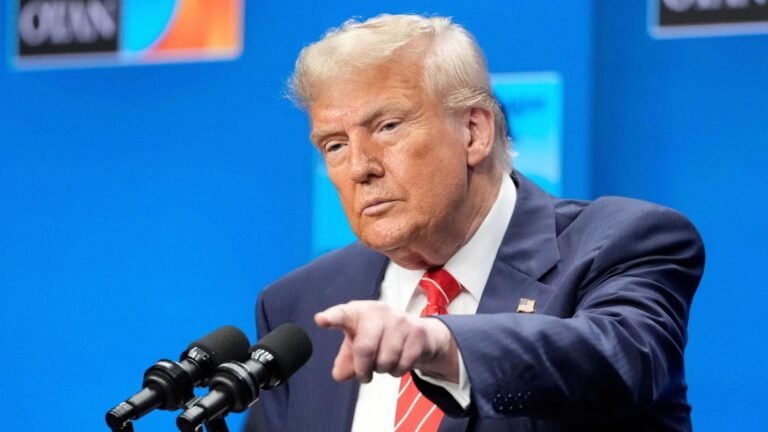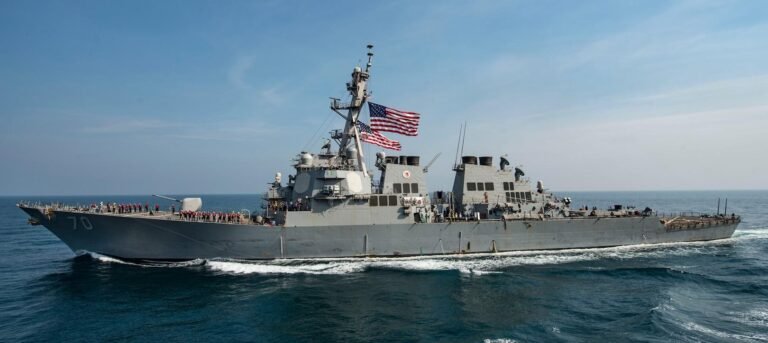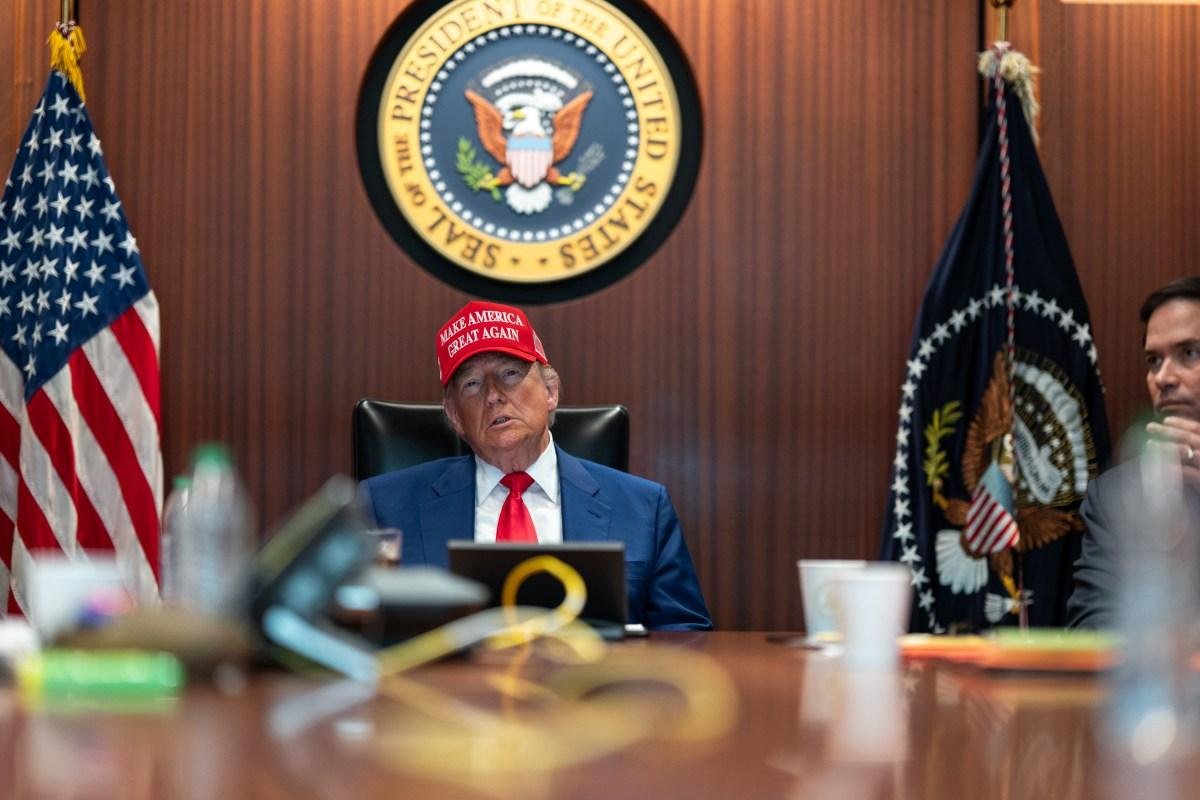
Amid rising tensions between the United States and Iran, reports suggest that former US President Donald Trump adopted a highly unpredictable strategy while attempting to navigate the conflict. As a temporary ceasefire between the two nations approached its end, Trump’s stance appeared to shift frequently—alternating between aggressive threats and calls for negotiation.
According to reports, Trump was increasingly concerned about the possibility of the situation escalating into a major crisis similar to the Iran Hostage Crisis, which had severely impacted US foreign policy in the past. This fear reportedly influenced many of his decisions, as he sought to avoid a prolonged or damaging military engagement.
Behind the scenes, senior officials in the administration were said to be cautious in how they communicated sensitive information to the president. Some aides reportedly limited his exposure to real-time updates during critical operations, believing that his impatience and impulsive reactions could complicate decision-making. Instead, they chose to brief him only at key moments to maintain stability in handling the situation.
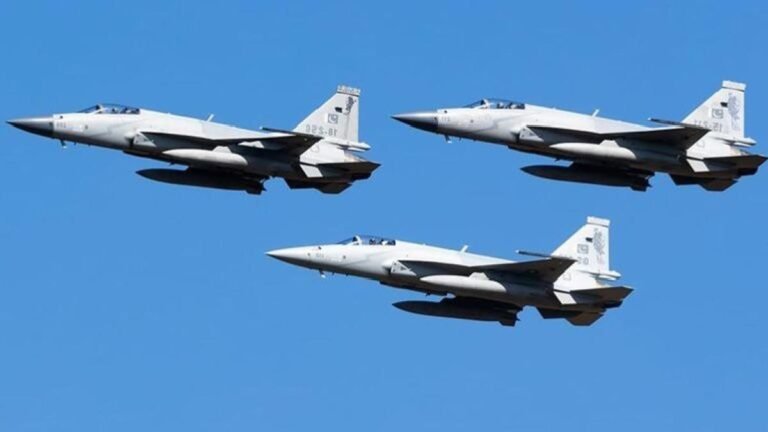
One notable incident involved the reported downing of a US fighter jet by Iranian forces. Upon hearing the news, Trump was said to have reacted strongly, expressing frustration and demanding immediate action to rescue the crew. However, the logistical challenges of operating within Iranian territory made such actions extremely complex, highlighting the gap between urgency and practical military constraints.
Despite his public statements threatening severe action against Iran, Trump was also described as being cautious about committing US troops to direct conflict. Reports indicate that he was concerned about the potential loss of American lives, reflecting a reluctance to escalate the situation into a full-scale war.
At the same time, Trump’s communication style remained controversial. He reportedly made several strong and sometimes provocative statements without full consultation with his national security team. Some officials believed this approach was intentional, aimed at pressuring Iran into negotiations by projecting unpredictability and strength.
Trump is also said to have closely monitored the progress of the conflict by tracking military outcomes, such as the number of targets hit, as a measure of success. However, his shifting focus and occasional distraction from the situation raised concerns among his advisers about consistency in leadership during a sensitive geopolitical crisis.
the situation highlighted the challenges of managing a high-stakes international conflict under an unconventional leadership style. While Trump’s strategy may have been aimed at forcing a quicker resolution, it also introduced uncertainty within his own administration. As tensions between the US and Iran continued, the balance between military pressure and diplomatic engagement remained a critical factor in determining the path forward.