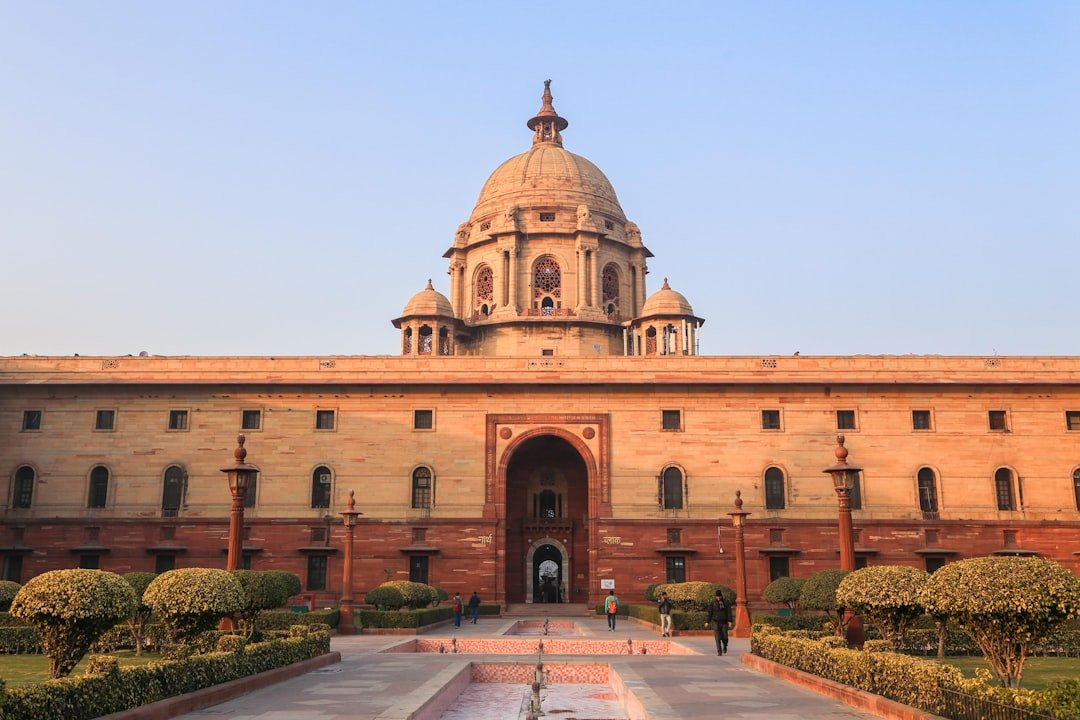
The Supreme Court has asked the Union government to consider stronger statutory safeguards governing minors’ access to social-media platforms, bringing age verification, parental consent and child online safety into renewed policy focus.
The development comes as governments worldwide debate how to reduce risks to children online without creating disproportionate restrictions on access, privacy or legitimate expression. In India, any new framework would also have to operate alongside existing information-technology and data-protection rules.
Issues before policymakers
Among the measures discussed in reporting on the proceedings are age-assurance mechanisms and parental consent. Such measures can appear straightforward in principle but are technically and legally complex. A system designed to confirm a user’s age can itself require collection of additional personal information, creating privacy and data-security questions.
Parental-consent requirements also raise implementation issues. Platforms would need a reliable method to distinguish children from adults and verify that consent genuinely comes from a parent or guardian. Regulators would also need to decide whether rules should differ according to age, platform function or risk level.
Court scrutiny does not create a final rule
The Supreme Court’s intervention should not be read as an immediate nationwide ban or a final regulatory framework. The Centre must consider the policy and legal questions, and any binding statutory change would need to follow the appropriate governmental or legislative process.
The debate also involves competing rights and interests. Child safety advocates point to risks including harmful content, exploitation and excessive engagement. Technology and digital-rights groups often emphasise privacy, proportionality and the danger that intrusive age checks could affect all users rather than only minors.
Public-interest test
A workable Indian framework would need clear definitions, limited data collection, meaningful enforcement and safeguards against unnecessary surveillance. It would also need to distinguish between protecting children and shifting all responsibility to families while platform design remains unchanged.
The government’s response will therefore be important. The policy question is not simply whether children should be protected online—there is broad agreement on that objective—but which regulatory tools can provide protection without creating new privacy and access problems.
Sources
MediaNama; official case updates can be monitored through the Supreme Court of India.