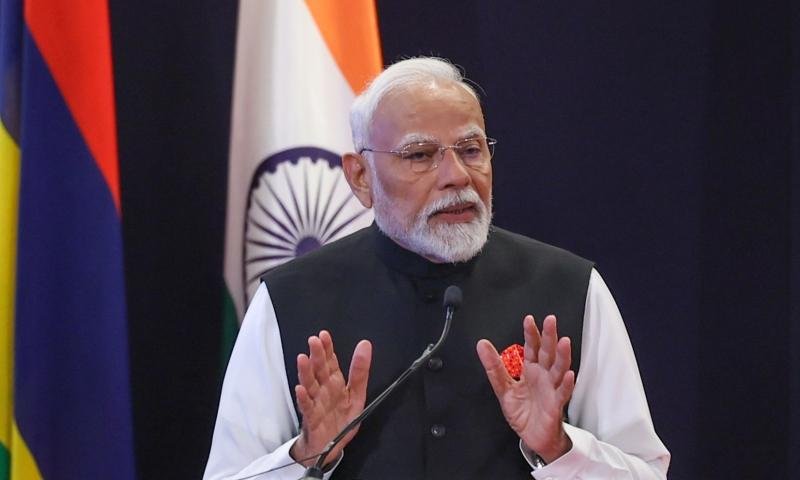
Prime Minister Narendra Modi is scheduled to address the Lok Sabha today at around 3:00 PM, where he is expected to present a detailed roadmap for implementing the long-awaited Women’s Reservation Bill. This move is being seen as a major step toward strengthening gender equality in India’s political system.
The ongoing special session of Parliament, which runs for three days, has been convened to accelerate the process of implementing the women’s quota legislation. The bill, formally known as the Constitution (131st Amendment) Bill, 2026, aims to reserve one-third of seats in legislative bodies for women. The government has described this initiative as a “historic milestone” in empowering women and ensuring their greater participation in governance.
Speaking at the beginning of the session, PM Modi emphasized the importance of respecting and empowering women, stating that the dignity of women reflects the strength of the nation. His address is expected to provide clarity on how the reservation policy will be rolled out in the coming years.
One of the key aspects of the proposal is the expansion of the Lok Sabha. The government has suggested increasing the total number of seats from the current 543 to nearly 850. Out of these, a majority will be allocated to states, while a portion will be reserved for Union Territories. This expansion is intended to ensure that introducing women’s reservation does not reduce representation for other communities.
The proposed changes are likely to come into effect from the 2029 general elections. A Delimitation Commission will be tasked with redrawing constituency boundaries and identifying seats reserved for women, possibly using the 2011 Census as a reference.
However, the bill has sparked intense debate in Parliament. Opposition leaders have raised concerns about its potential impact on the federal structure and representation of states. Senior Congress leader K.C. Venugopal criticized the proposal, calling it a significant structural shift that requires deeper discussion.
In response, Union Home Minister Amit Shah defended the government’s approach, stating that detailed debates will take place at the appropriate stage and that procedural objections should not delay the introduction of the bill.
As the legislation moves forward, it remains a topic of both optimism and contention. While the government views it as a transformative reform for women’s empowerment, critics continue to question its broader political implications.