
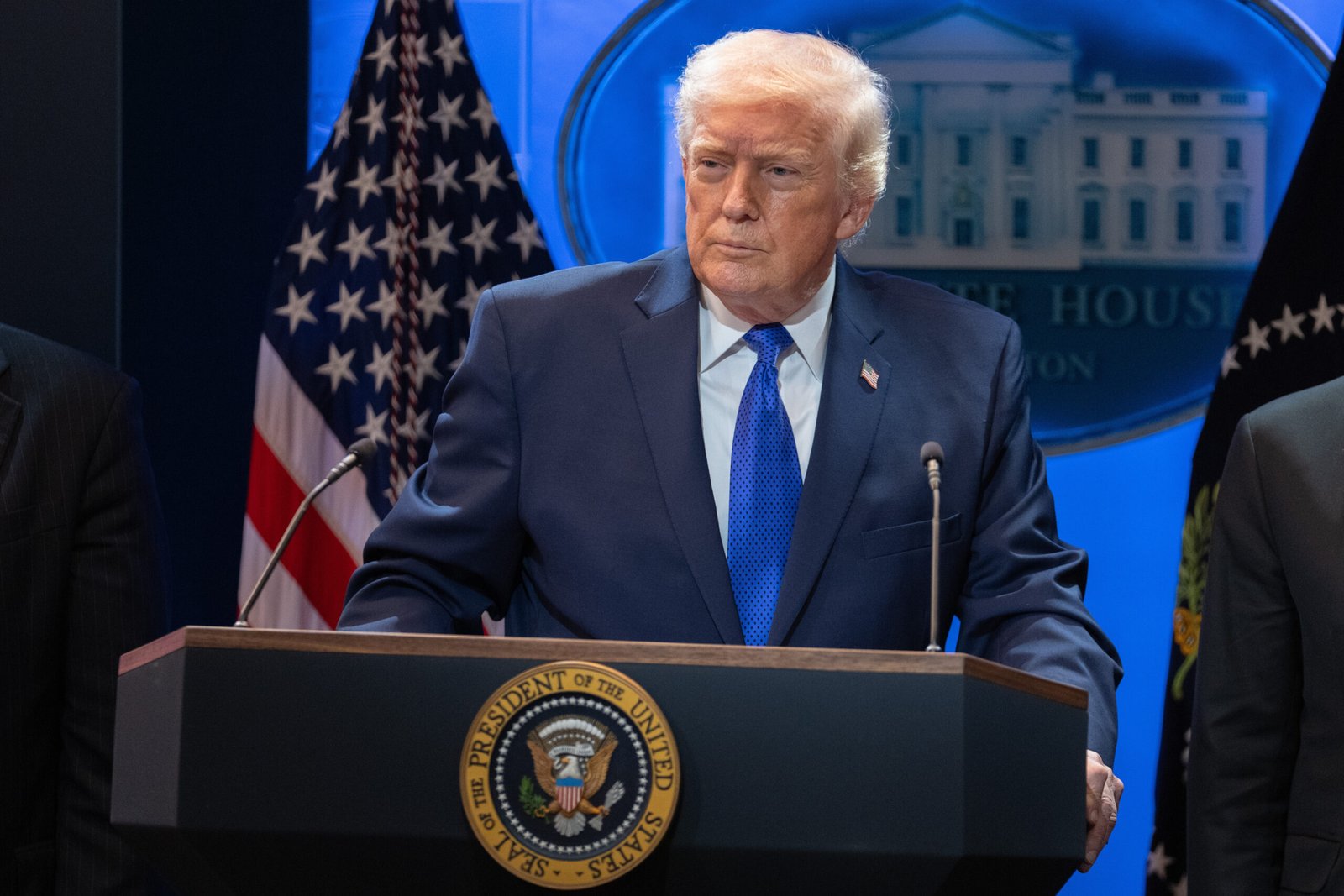
President Donald Trump speaks during a press briefing at the White House, Friday, Feb. 20, 2026, in Washington. (AP Photo/Allison Robbert)
Tensions in the Middle East continue to escalate as developments surrounding the Israel-Iran conflict take a new turn. Former U.S. President Donald Trump has indicated that extending the current ceasefire with Iran is not being considered, emphasizing instead that a long-term agreement would be a better solution.
Speaking about the situation, Trump expressed optimism about upcoming developments, stating that the next few days could bring significant changes. He also reiterated his strong stance against Iran’s nuclear ambitions, asserting that allowing Iran to possess nuclear weapons is completely unacceptable. In a social media post, he also criticized religious leadership, referencing global reactions to Iran’s handling of protests and internal unrest.
Meanwhile, diplomatic efforts are ongoing in the region. According to statements from U.S. officials, discussions have been held regarding initiating direct negotiations between Israel and Lebanon. These talks are seen as part of a broader attempt to stabilize the region and prevent further escalation. Officials confirmed that all involved parties have agreed in principle to begin formal negotiations at a mutually agreed time and location.
In another major development, the U.S. Treasury Department has decided not to extend temporary relief on sanctions related to Iranian oil exports. This measure, which was initially introduced to manage global supply disruptions during the conflict, is set to expire soon. Authorities have made it clear that they intend to continue applying maximum economic pressure on Iran as part of their broader strategy.
These developments highlight the fragile nature of the current situation in the Middle East. While diplomatic channels remain open, the absence of a ceasefire extension and tightening economic measures suggest that tensions could persist. The coming days are expected to be crucial in determining whether negotiations will lead to a resolution or if the conflict will intensify further.