Commerce and Industry Minister Piyush Goyal is in the United States for a September 29-October 5 visit that combines G20 trade diplomacy with bilateral negotiations aimed at advancing the proposed India-US Bilateral Trade Agreement and an interim trade arrangement.
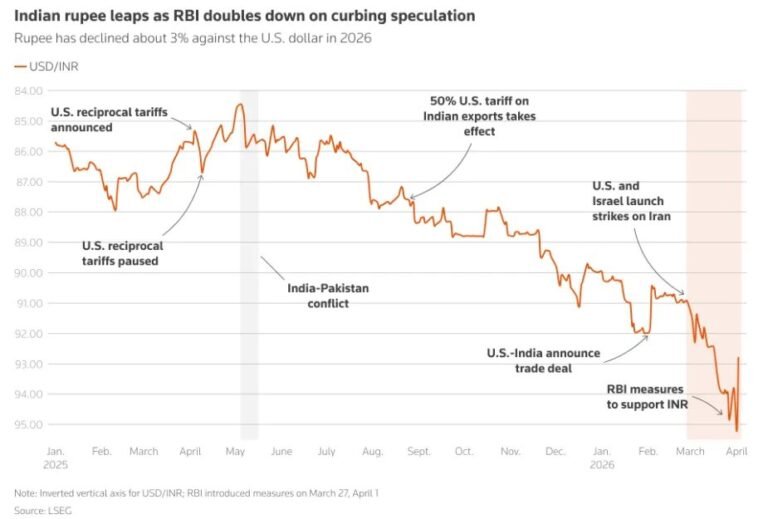
The visit comes after months of negotiations in which the two governments have not yet reached final consensus. It also takes place against a more complicated backdrop created by tariff disputes and US measures linked to purchases of Russian energy.
Official agenda
The Commerce Ministry said Goyal will participate in the G20 Trade Ministers’ Meeting in Milwaukee, Wisconsin, on September 30 and October 1 at the invitation of US Trade Representative Jamieson Greer. He is also expected to engage with American industry leaders, investors and startup representatives in Milwaukee, Chicago and New York.
According to the government, bilateral engagement will seek progress toward a balanced and mutually beneficial trade agreement and an interim deal aligned with the India-US joint statement issued in February 2026.
Negotiations remain unfinished
Reuters reported that India and the United States have yet to reach consensus despite months of discussions. That means individual proposals, tariff numbers or market-access concessions should not be treated as agreed terms unless they are formally announced by both governments.
Trade negotiations typically involve politically sensitive sectors. India has emphasised the interests of farmers, small businesses and domestic manufacturers, while the United States has its own market-access priorities.
Tariffs add pressure
The talks are occurring as New Delhi raises concerns about US measures that could impose additional tariffs connected with imports of Russian oil and gas. India has told Washington that such measures could affect bilateral ties. The existence of that dispute does not mean trade negotiations have stopped; Goyal’s visit demonstrates that formal engagement is continuing.
Why the visit matters
The United States is a major economic partner for India. Changes in tariffs and market access can affect exporters, manufacturers, technology companies, agricultural producers and consumers. An interim agreement could settle selected issues while negotiations continue on a broader pact.
The outcome should be judged by the text of any agreement eventually released, not by negotiating claims from either side. Until then, the visit represents an effort to narrow differences rather than evidence that a deal has already been concluded.