Union Health Minister JP Nadda laid the foundation stone for an ICMR Centre for High Altitude Medicine and Public Health Research at Keylong in Himachal Pradesh on October 12.
The announced centre is intended to generate evidence on health challenges facing Himalayan communities and personnel serving at altitude. The Health Ministry identifies low oxygen, extreme cold and difficult environmental conditions among its research concerns.
A civilian and military collaboration
The initiative brings together ICMR, the Armed Forces Medical Services and AIIMS Bilaspur. Its proposed research covers altitude-related risks, acclimatisation, maternal and newborn health, nutrition and disease patterns.
The programme will also examine whether technologies such as drone-enabled medicine delivery and digital health can improve access in remote areas. Those are research priorities, rather than confirmation that a new delivery service is already operational.
The foundation-stone event marks a project stage. It should not be confused with the completion of the permanent facility or the publication of new clinical findings.
Why location-specific evidence matters
Indian Political Hub’s assessment is that public health planning benefits from evidence gathered in the places where people live. Geography can influence how residents reach care, how services are staffed and how reliably supplies arrive.
A research institution can help connect those practical questions with systematic investigation. Its contribution will depend on whether findings are translated into usable services and shared with the institutions responsible for local care.
What should happen next
The important delivery questions concern the centre’s construction, staffing, research schedule and community engagement. Announcing a mandate gives the project direction, but outcomes require sustained work.
Local participation is particularly relevant when research concerns communities with distinct conditions and needs. Public communication should explain the purpose of studies and how results may influence care.
Later reporting should distinguish infrastructure milestones from completed studies and changes in service delivery. Each measures a different aspect of progress.
For readers, the October 12 development is a public-health research investment in the Himalayan region. It is a governance story about building evidence and institutional capacity, rather than medical advice or proof of a treatment breakthrough.
The policy value will become clearer as the centre’s plans move into operation and the resulting evidence informs decisions.
Source: Official government release, October 12, 2026.
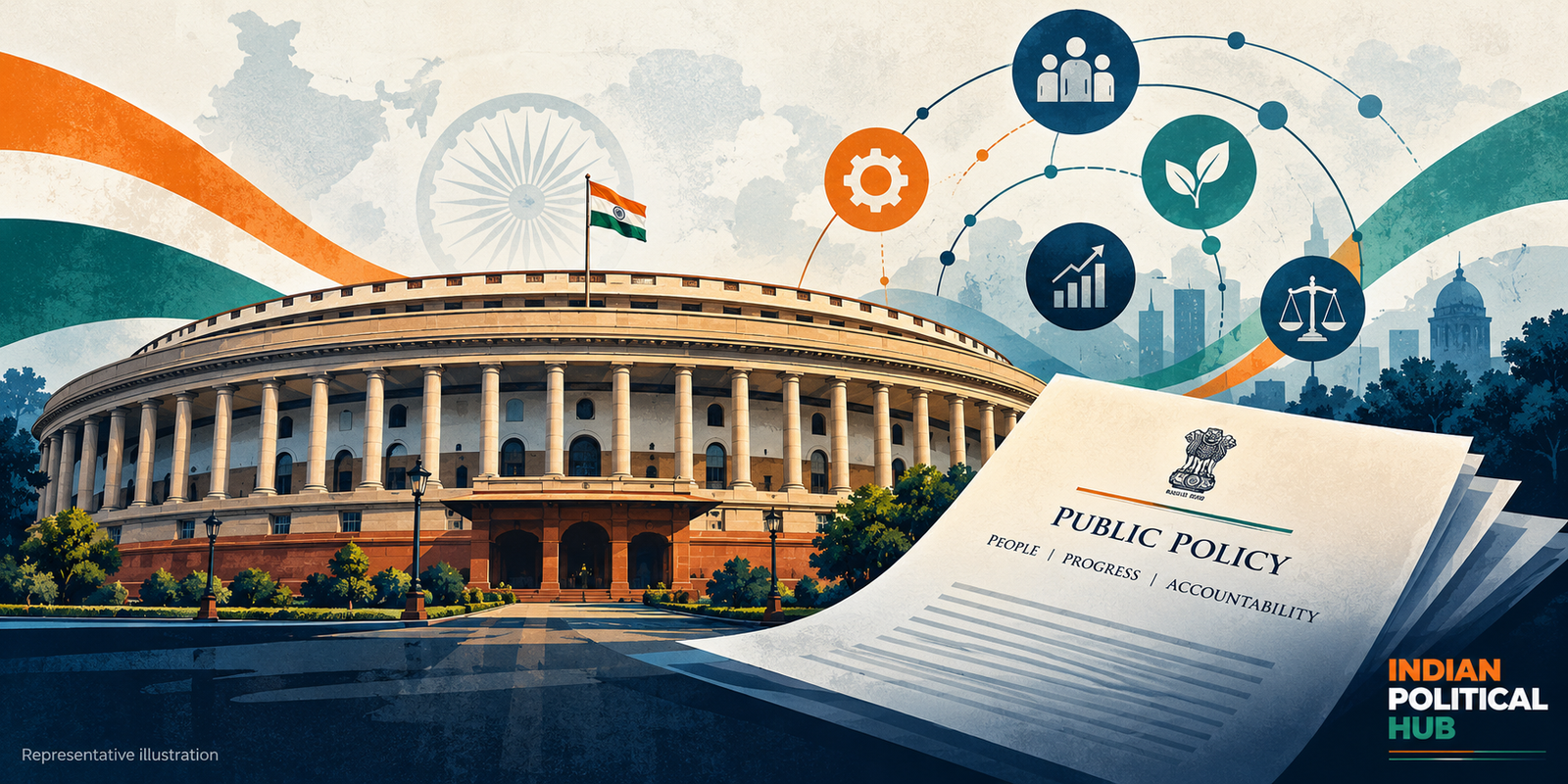
Featured image: representative illustration.