The Supreme Court agreed on October 12 to hear pleas on Tuesday concerning alleged attacks and detentions during Delhi protests, alongside concerns about access to courts and the movement of lawyers.
The Times of India and The Indian Express reported the listing after lawyers raised matters before a bench headed by Chief Justice Surya Kant. The next scheduled hearing is October 13.
Two concerns reach the court
One concern involves allegations of attacks on protesters and lawyers. Another concerns protecting access to judicial work during demonstrations and restrictions. The Supreme Court Bar Association raised the need for lawyers to move freely and for proceedings to continue.
The reported remarks emphasised that political demonstrations should not obstruct the functioning of the court or the movement of litigants and staff. Allegations presented by lawyers remain allegations pending examination; agreeing to hear them does not establish responsibility.
What changed on Monday
The new development is the court’s decision to list the matters, rather than simply another political reaction to the weekend demonstrations. It creates a procedural point at which requests for relief and the relevant responses can be considered.
The reporting also refers to earlier proceedings concerning transport restrictions and detentions. Those proceedings should be distinguished from any final determination in the matters listed for Tuesday.
How to assess the next hearing
Indian Political Hub’s assessment is that the written orders and the specific relief granted will be more informative than isolated remarks. A court can address access, safety or administrative restrictions without deciding every underlying political claim.
Readers should look for who has been asked to respond, the evidence sought and any directions that take immediate effect. A hearing date is a step in the process, rather than a completed remedy.
The public-interest issue combines the ability to raise grievances with the need to keep judicial services accessible. Lawyers, court workers and litigants may be affected by restrictions even when they are not participating in a demonstration.
The October 12 reports do not establish a final finding on the alleged attacks. Any subsequent account should separate submissions, interim directions and eventual conclusions.
This article covers a fresh court-listing development following the earlier protest coverage, with outcomes to be checked against the record of the October 13 proceedings.
Source: The Times of India, October 12, 2026.
Additional source: The Indian Express court report.
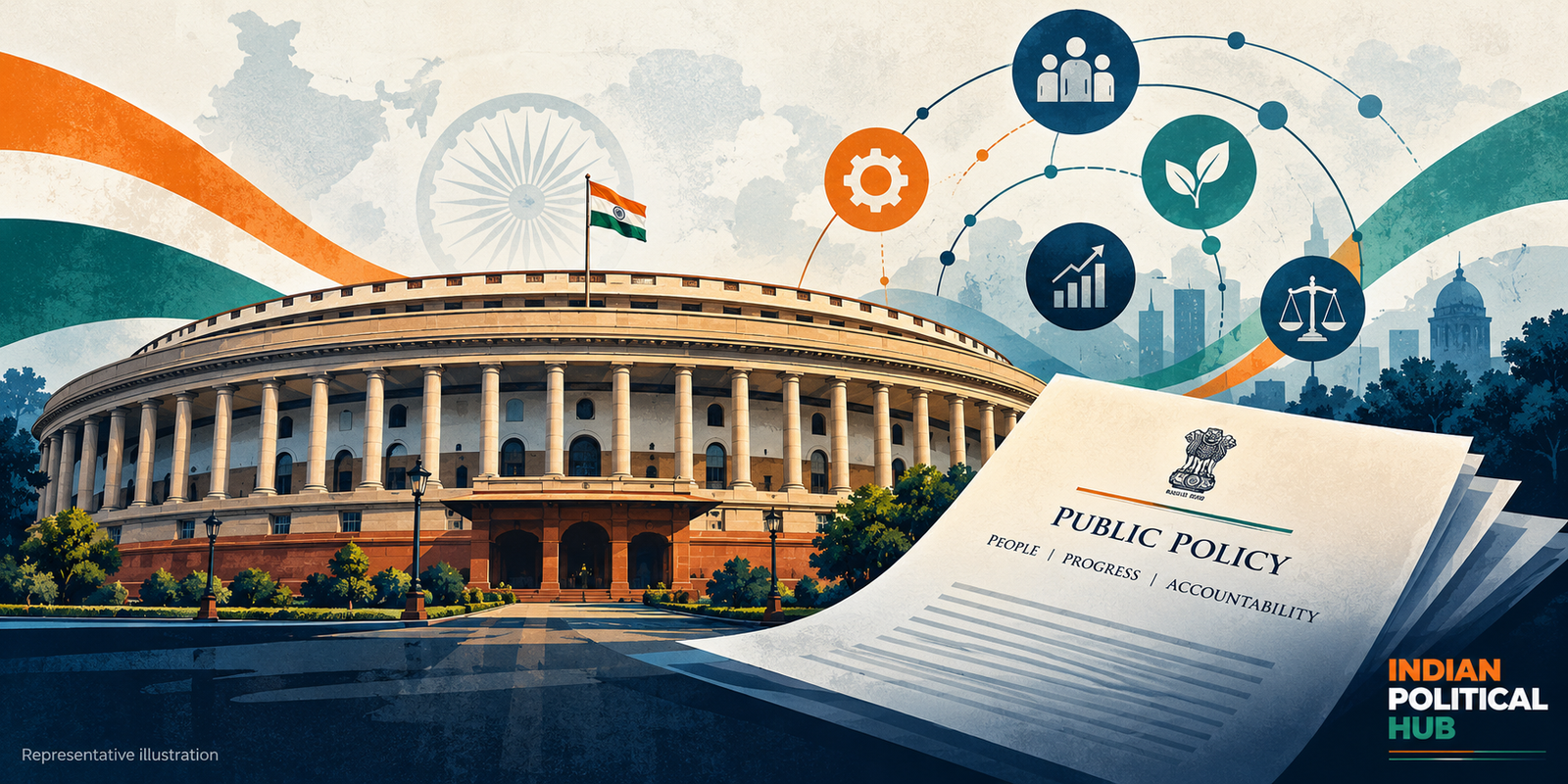
Featured image: representative illustration.