
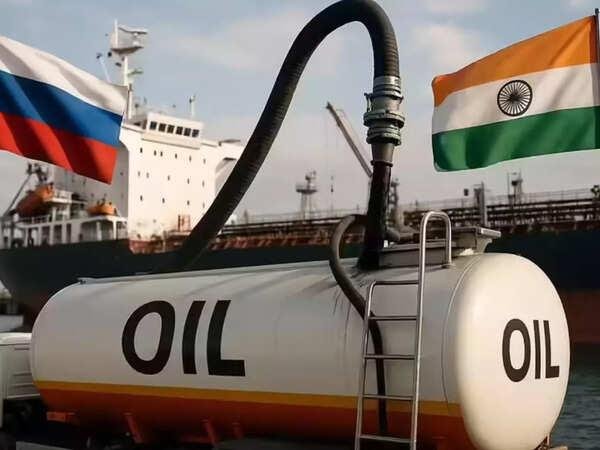
The ongoing conflict in West Asia has sparked a major global competition among leading oil-producing nations to secure a stronger position in India’s rapidly growing energy market. Countries like Russia, Saudi Arabia, the United Arab Emirates (UAE), and the United States are all trying to increase their influence over India’s oil imports as global trade routes face disruption and future oil demand becomes uncertain.
India has now emerged as one of the world’s most important energy markets because its oil demand continues to rise while many developed economies are witnessing slower growth or shifting toward clean energy alternatives. According to international energy reports, India currently consumes nearly 5.8 million barrels of oil every day and imports almost 90 percent of its crude oil needs. Experts believe India will remain one of the largest contributors to global oil demand growth over the next decade.
This growing demand has made India extremely valuable for global oil exporters. For decades, China was considered the centre of global oil demand growth, but slowing industrial activity, economic challenges, and the rise of electric vehicles have reduced long-term certainty in the Chinese market. Europe is also moving away from fossil fuels, while oil demand forecasts in the United States are becoming increasingly cautious. As a result, producers now see India as one of the few remaining large markets capable of driving future growth.
Russia was one of the first countries to aggressively target India’s oil market after Western sanctions reduced its exports to Europe following the Ukraine war. Russian crude oil began entering Indian refineries at heavily discounted prices, making it highly attractive for Indian buyers. Over time, Russia became India’s largest crude oil supplier, accounting for nearly 40 percent of total imports in recent months. Indian refiners benefited from lower costs and improved profit margins, especially in exports of refined products like diesel and aviation fuel.
Despite pressure from Western nations, India has continued buying Russian oil, emphasising that its decisions are based on energy security and commercial interests. Indian officials have repeatedly stated that the country’s oil purchases are guided by affordability and supply stability rather than geopolitical pressure. This reflects India’s increasing leverage in global energy politics, where large importers like India now hold greater negotiating power.
At the same time, Gulf nations are trying to regain market share lost to Russia. Saudi Arabia, Iraq, and the UAE were traditionally India’s top oil suppliers before discounted Russian crude entered the market. The UAE recently exited the OPEC+ production alliance to gain more flexibility in increasing output and expanding exports. Gulf producers are now focusing not only on crude sales but also on investments in Indian refineries, petrochemical projects, storage facilities, and long-term energy partnerships.
The West Asia conflict has also highlighted the importance of strategic shipping routes like the Strait of Hormuz, through which a large portion of India’s oil imports pass. Disruptions in the region forced Indian refiners to diversify supply sources, creating fresh opportunities for multiple exporters. Russia presented itself as a stable alternative, while Gulf nations and the US intensified efforts to strengthen ties with India.
The United States, meanwhile, views India’s energy market as strategically important in its broader Indo-Pacific and geopolitical policies. Washington wants to reduce Russian influence in Asia and encourage India to diversify its crude imports. However, India has maintained a balanced approach by strengthening relations with all major suppliers while prioritising its own energy security and economic interests.