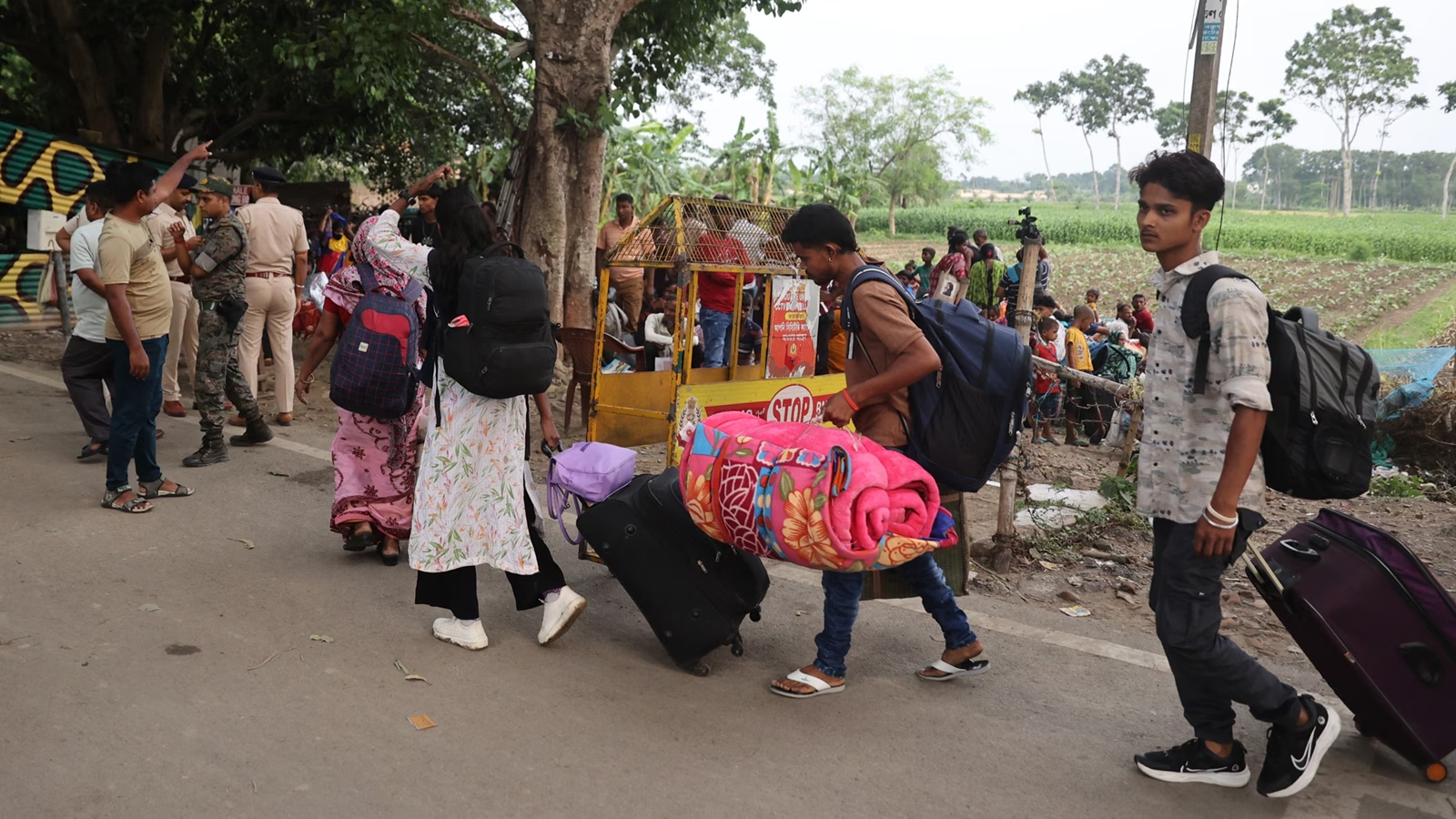
A growing sense of fear and uncertainty is reportedly pushing hundreds of people toward the India-Bangladesh border in West Bengal, where many are attempting to cross into Bangladesh amid concerns over detention centres, police action, and eviction drives.
At the Hakimpur border outpost in North 24 Parganas district, close to the India-Bangladesh border, large groups of men, women, and children have gathered over the past few days carrying bags, clothes, and essential belongings. Many say they fear being detained or harassed after recent political and administrative developments in the state.
The movement reportedly intensified after announcements regarding stricter action against illegal immigrants and the establishment of detention centres in West Bengal. Families waiting near the border claim they no longer feel safe staying in India and have decided to return to Bangladesh voluntarily.
Several of those gathered near the border say they had been living in different parts of West Bengal and other Indian states for years while working in low-income jobs such as garbage collection, domestic work, construction labor, and rickshaw pulling. Many admit they entered India illegally through border routes with the help of middlemen or “touts.”
One woman waiting near the border with her husband and children said they had been living near Kolkata for years before their landlord recently asked them to leave. She claimed rumors about detention camps and police crackdowns created panic among migrant families. According to her, returning to Bangladesh now seems safer than risking detention or separation from family members.
Other migrants described how they had traveled to states like Kerala in search of work opportunities. Some worked as masons and daily wage laborers, earning significantly higher wages than they could in Bangladesh. However, they said recent demands for Aadhaar cards and identity verification made it increasingly difficult to continue living and working in India without documents.
Several people also alleged that slum demolitions and local police action contributed to their decision to leave. Some families claimed their homes had been removed during anti-encroachment drives, leaving them with nowhere to stay. Parents expressed concern about their children’s future, as many had been enrolled in schools in India and would now have to begin life again in Bangladesh.
Security near the Hakimpur border outpost has been significantly tightened. Personnel from the Border Security Force (BSF) and local police are carefully checking vehicles and monitoring the movement of people approaching the border. Authorities are reportedly recording personal details and conducting biometric verification before allowing anyone to cross.
Officials have stated that people without valid Indian documents but carrying Bangladeshi identity papers are being processed after proper checks. According to security sources, individuals suspected of criminal or extremist links are being handed over to police authorities for further investigation.
The situation has once again brought attention to the complex issue of illegal migration between India and Bangladesh. Border districts in West Bengal have historically witnessed cross-border movement due to economic hardship, employment opportunities, and family connections on both sides of the border.
Political reactions to the developments have further intensified the debate. Statements made by leaders regarding deportation policies and detention centres have created a tense atmosphere among undocumented migrant communities. Analysts believe the issue could become a major political and humanitarian concern in the coming months.
For many families gathered near the border, however, politics is secondary to survival and security. Fear of detention, uncertainty over documentation, and concerns about their future in India appear to be the primary reasons behind the sudden rush toward Bangladesh.
As authorities continue monitoring the situation, the scenes unfolding near Hakimpur highlight the human impact of immigration policies and border enforcement measures in the region.