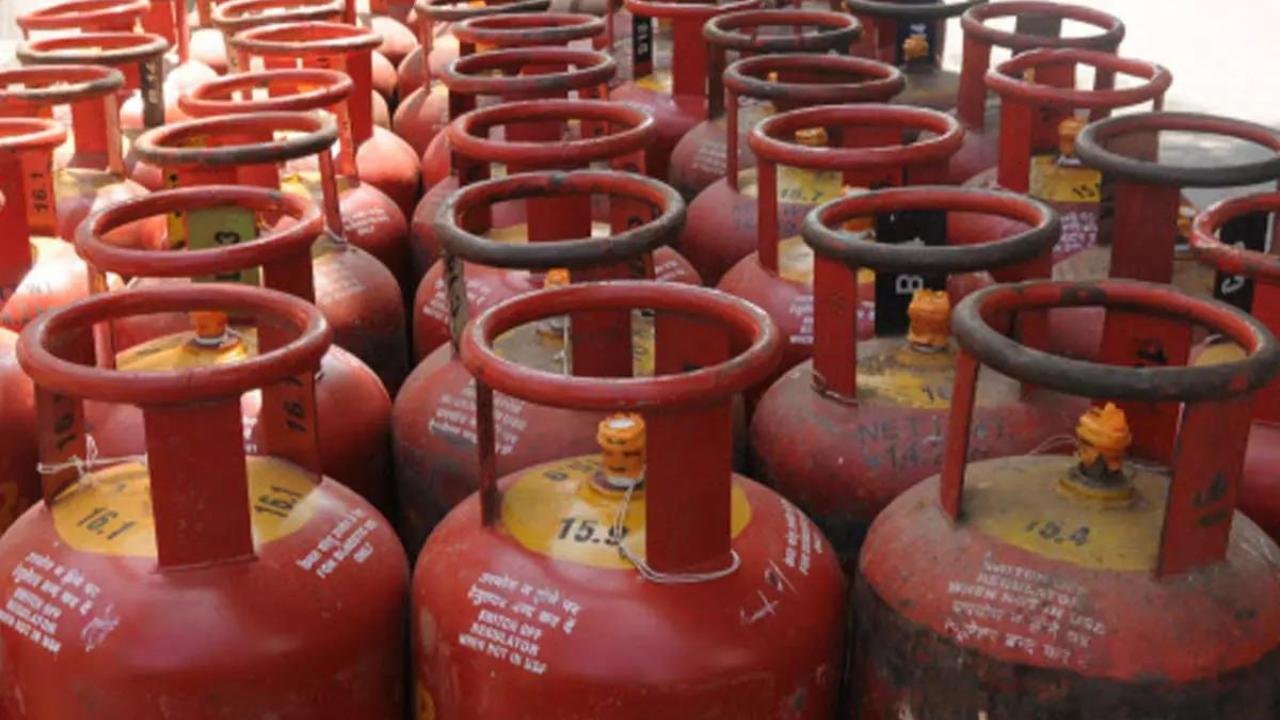
The sharp rise in commercial LPG cylinder prices across India has created significant concern among business owners, especially those in the hospitality and food sectors. This sudden increase is largely attributed to ongoing geopolitical tensions in West Asia, which have disrupted global energy markets and pushed fuel prices higher. As a result, industries that rely heavily on commercial gas cylinders are now facing mounting operational costs.
The central government has increased the price of the 19 kg commercial LPG cylinder by a massive ₹993 in one go. Following this hike, the price in Hyderabad has reached approximately ₹3,315, while in Delhi it has climbed to around ₹3,071. Similarly, Mumbai has also witnessed a steep increase, with prices rising from about ₹2,031 to ₹3,024. Even smaller 5 kg cylinders have not been spared, with their price going up to ₹914.50. This sharp escalation has added financial pressure on small and medium-sized enterprises.
It is important to note that this is not an isolated price hike. Over the past few months, commercial LPG prices have been gradually increasing. Since late February, when tensions in West Asia began intensifying, the government has revised prices multiple times. In March, prices were increased by ₹144, followed by another hike of nearly ₹200 in early April. The latest revision, however, is the steepest so far, significantly impacting businesses.
Hotels, restaurants, bakeries, and street food vendors are among the worst affected. These businesses depend heavily on commercial LPG cylinders for daily operations. With rising gas costs, many establishments may be forced to increase food prices, which could ultimately affect consumers. For small vendors operating on thin profit margins, this situation is particularly challenging, as they may struggle to absorb the additional costs.
Despite the surge in commercial LPG prices, there is some relief for households. The government has decided not to increase the prices of domestic LPG cylinders, ensuring that the general public is not directly burdened. This move is aimed at protecting middle-class and lower-income families from inflationary pressure. However, experts warn that indirect effects may still be felt, as rising business costs often lead to higher prices for goods and services.
On the other hand, petrol and diesel prices have remained unchanged, providing some stability in the transportation sector. Additionally, aviation turbine fuel (ATF) prices have also been kept steady, offering relief to the aviation industry and preventing a rise in airfares. the recent surge in commercial LPG cylinder prices highlights how global events can directly impact domestic markets. While the government has taken steps to shield household consumers, businesses are bearing the brunt of the increase. If international crude oil prices continue to rise or supply disruptions persist, further price hikes cannot be ruled out. For now, industries must adapt to the rising costs while hoping for stability in global energy markets.