Tensions escalated in Ujjain on September 28 during the removal of a portion of the Shahi Masjid affected by a road-widening project linked to preparations for the 2028 Simhastha gathering, with protesters and police clashing near the site.
What happened
Residents and members of the Muslim community had gathered around the mosque after objecting to the proposed removal of part of the structure that authorities say falls within the alignment of a road being widened. The Ujjain Municipal Corporation has been carrying out infrastructure works ahead of Simhastha 2028, and hundreds of structures have reportedly been marked for removal along the route.
Multiple reports said stones were thrown during the confrontation and police used tear gas to disperse the crowd. Security was subsequently reinforced, with a large police deployment around the site. Police were also reported to have registered cases in connection with stone-pelting and disturbance of public order.
Legal and administrative background
The dispute has also involved litigation. Reports said petitions challenging aspects of the removal had been considered by the Madhya Pradesh High Court, while further legal proceedings were expected on Monday. Because the litigation and on-ground implementation are developing, any description of the legal position should distinguish between orders already passed and matters still before the court.
Authorities have described the road project as part of preparations for the expected influx of pilgrims during Simhastha. Community representatives and political leaders opposing the demolition have argued that religious and heritage considerations should receive greater protection. These are competing positions; the underlying administrative records and court orders determine what work is legally permitted.
Public-interest issues
The immediate priority is maintaining public order while ensuring that lawful protest and court processes are respected. The episode also raises wider questions about how infrastructure projects affecting religious structures should be planned, notified and implemented, particularly when major public events create time pressure for civic works.
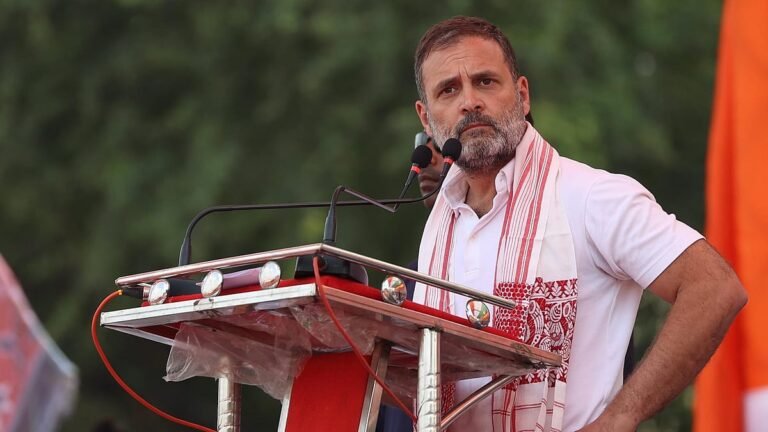
Political leaders have begun commenting on the dispute, including opposition figures who criticised the demolition. Their statements should be treated as political reactions rather than independent findings on the legality of the project.
Further clarity will depend on the latest High Court proceedings, municipal records and any official police statement on arrests, injuries or damage.