
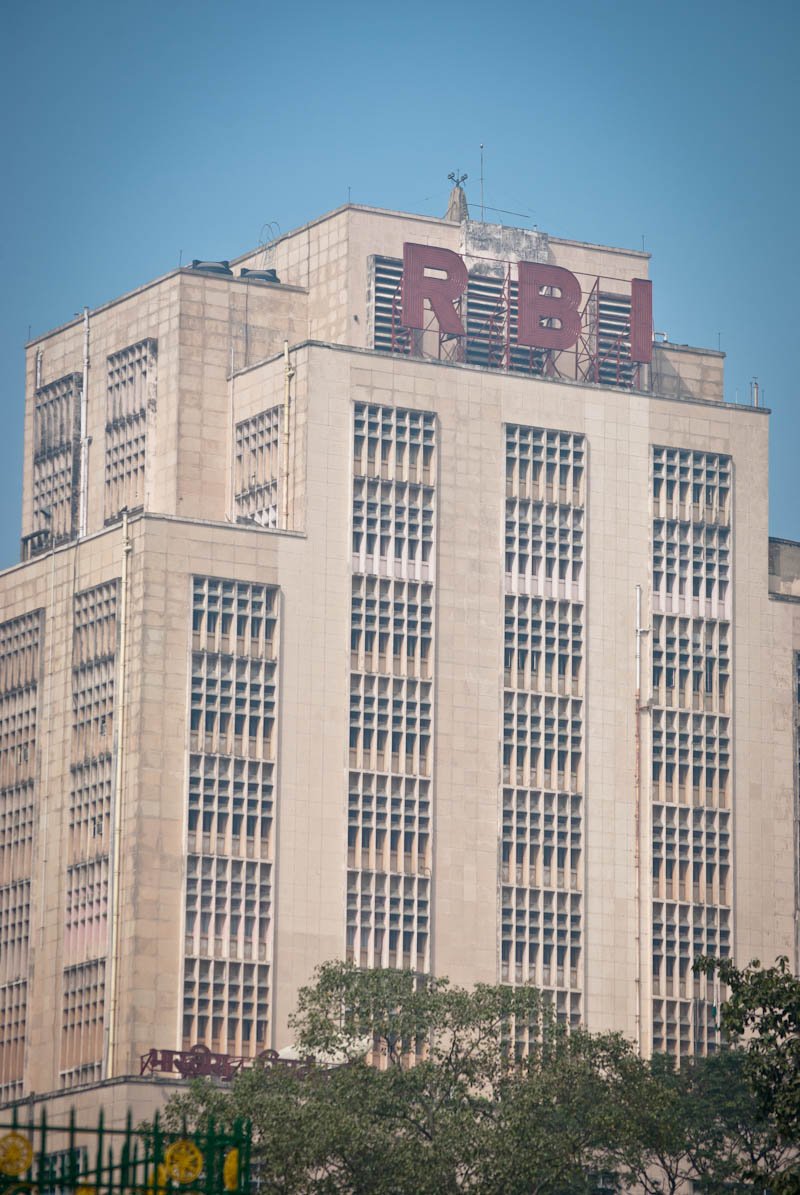
The Reserve Bank of India has raised its benchmark repo rate by 25 basis points to 5.5%, delivering its first rate increase in nearly four years as inflation risks rise.
Reuters reported that the Monetary Policy Committee voted unanimously for the increase and changed its stance from “neutral” to “calibrated tightening.”
Inflation drives policy shift
Higher energy prices and weak monsoon conditions have increased inflation concerns even as economic growth remains strong. RBI Governor Sanjay Malhotra indicated that future moves would depend on actual inflation and growth data rather than a predetermined path.
The decision is significant for public policy because monetary tightening can influence home and vehicle loans, business borrowing, investment and government financing conditions.
Political and household impact
Borrowers with floating-rate loans may see higher costs depending on how banks transmit the policy change. Deposit rates can also adjust, though timing varies by institution.
Political parties may use the rate increase to debate inflation and economic management, but the RBI’s decision is made through the statutory Monetary Policy Committee framework.
The next phase will depend on inflation readings, oil prices, currency movements and growth. The shift to calibrated tightening signals increased vigilance without committing the central bank to automatic rate increases at every meeting.