The Election Commission has scheduled biennial elections for 11 Rajya Sabha seats from Uttar Pradesh and Uttarakhand for October 16, setting in motion a new round of indirect elections to the Upper House of Parliament.
Ten of the seats are from Uttar Pradesh and one is from Uttarakhand. Most of the vacancies arise because the terms of sitting members are due to end in late November. A separate vacancy in Uttar Pradesh followed the resignation of Dinesh Sharma after his appointment as Lieutenant Governor of the Andaman and Nicobar Islands. A Rajya Sabha by-election in West Bengal is also due to be held on October 16, according to the announced schedule.
Rajya Sabha members representing states are elected by elected members of the respective state legislative assemblies through proportional representation using the single transferable vote. The process therefore differs from a direct public election: the composition of each state Assembly is central to how many candidates different parties can elect, while candidate nominations and cross-voting can still affect individual contests.
According to the reported election calendar, the notification is due on September 29, nominations can be filed until October 6, scrutiny is scheduled for October 7 and the last date for withdrawal is October 9. Voting, where required, and counting are to take place on October 16.
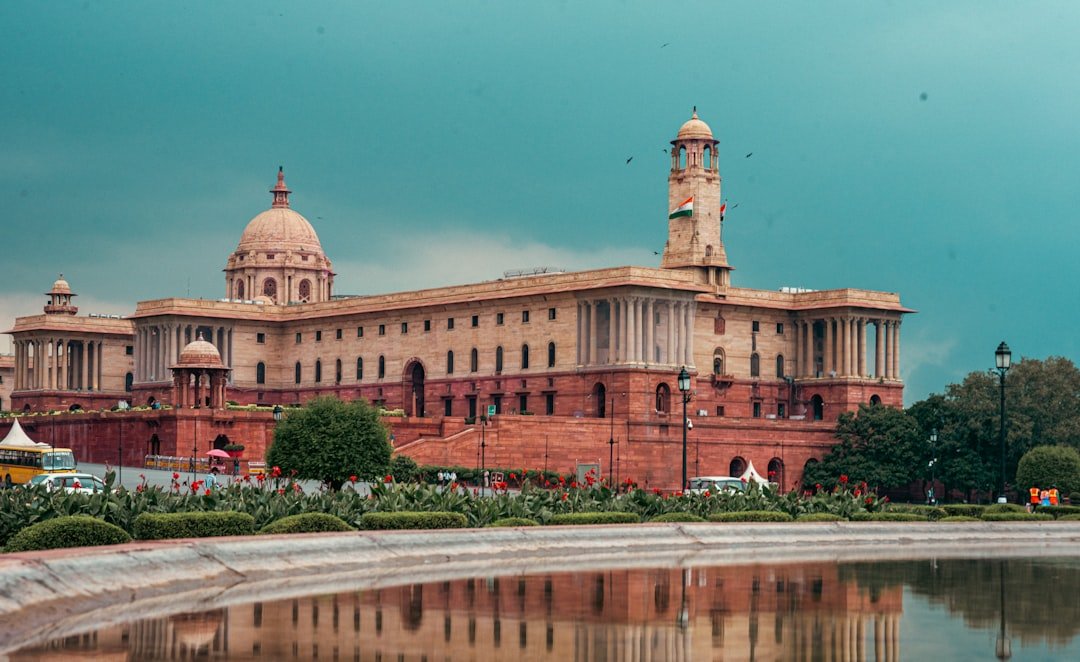
The elections matter nationally because the Rajya Sabha reviews legislation passed by the Lok Sabha, participates in constitutional amendments and plays a continuing role even when the Lower House is dissolved. Changes in party representation in the Upper House can affect parliamentary negotiation, committee composition and the passage of legislation, although the final outcome of these elections should not be assumed before nominations, withdrawals and voting are complete.
Parties are expected to finalise candidates based on their Assembly strength and political strategy. Reports have noted the current party affiliations of outgoing members, but those affiliations do not by themselves determine the final allocation of seats.
For the public, the key distinction is that October 16 is an election conducted through state legislators rather than a general electorate vote. The coming nomination period will provide the first confirmed list of contestants and indicate whether any seats are returned unopposed or proceed to a ballot.