The Skill Development Ministry held a Guwahati programme on November 2 on international mobility and PM-SETU, with tourism and hospitality in focus. The official account describes discussions involving government and industry on upgrading ITIs and aligning training with employment needs. It is an institutional development rather than an individual overseas job offer.
Analysis: start with the work
Industry-linked training is most useful when the curriculum identifies the tasks a worker must perform. In hospitality, a broad course label can include very different responsibilities. Practical assessment should therefore match the occupation being taught rather than rely solely on classroom attendance.
An equipment upgrade also needs an operating plan. Institutions require trainers, maintenance and scheduled learner access for a new facility to improve instruction. Public reporting should distinguish installation of equipment from sustained use in teaching.
Overseas opportunities require separate checks
International mobility introduces questions beyond a qualification. Applicants need reliable information about the employer, the contract, the role and the applicable recruitment process. A public discussion of global demand should not be converted into a promise of placement for everyone completing a course.
Language and workplace expectations should be stated clearly before enrolment. Learners also need to understand the total cost and whether any advertised support is conditional. These are practical evaluation questions, not new requirements announced at the Guwahati event.
Andhra Pradesh and Telangana impact
The reported programme focuses on the North-East. It does not establish a new admission window or overseas recruitment campaign for applicants in the Telugu states.
Its wider policy relevance is the test of whether industry participation changes the quality of training and the evidence available about outcomes. Readers can follow subsequent official course and implementation notices for concrete opportunities. The November 2 event sets out a direction of work; delivery should be judged through functioning facilities, relevant assessment and transparent reporting of what happens to learners after training.
Sources and related coverage
Official government release, November 2, 2026.
Related: IIPA Reform Call Puts Citizen Services at the Centre · Cloud Governance: Domestic Hosting Raises Delivery Tests.
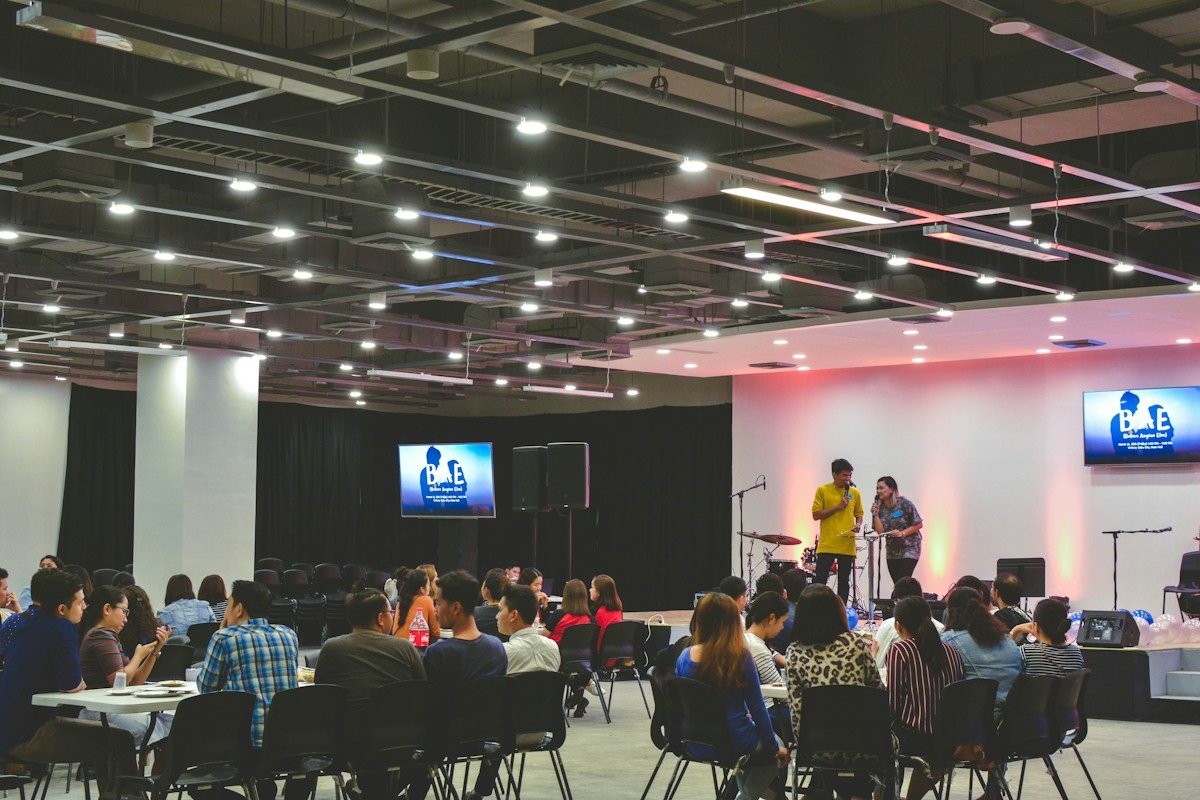
Representative stock image used under the Unsplash licence; it does not depict this event. Analysis sections are editorial assessment.