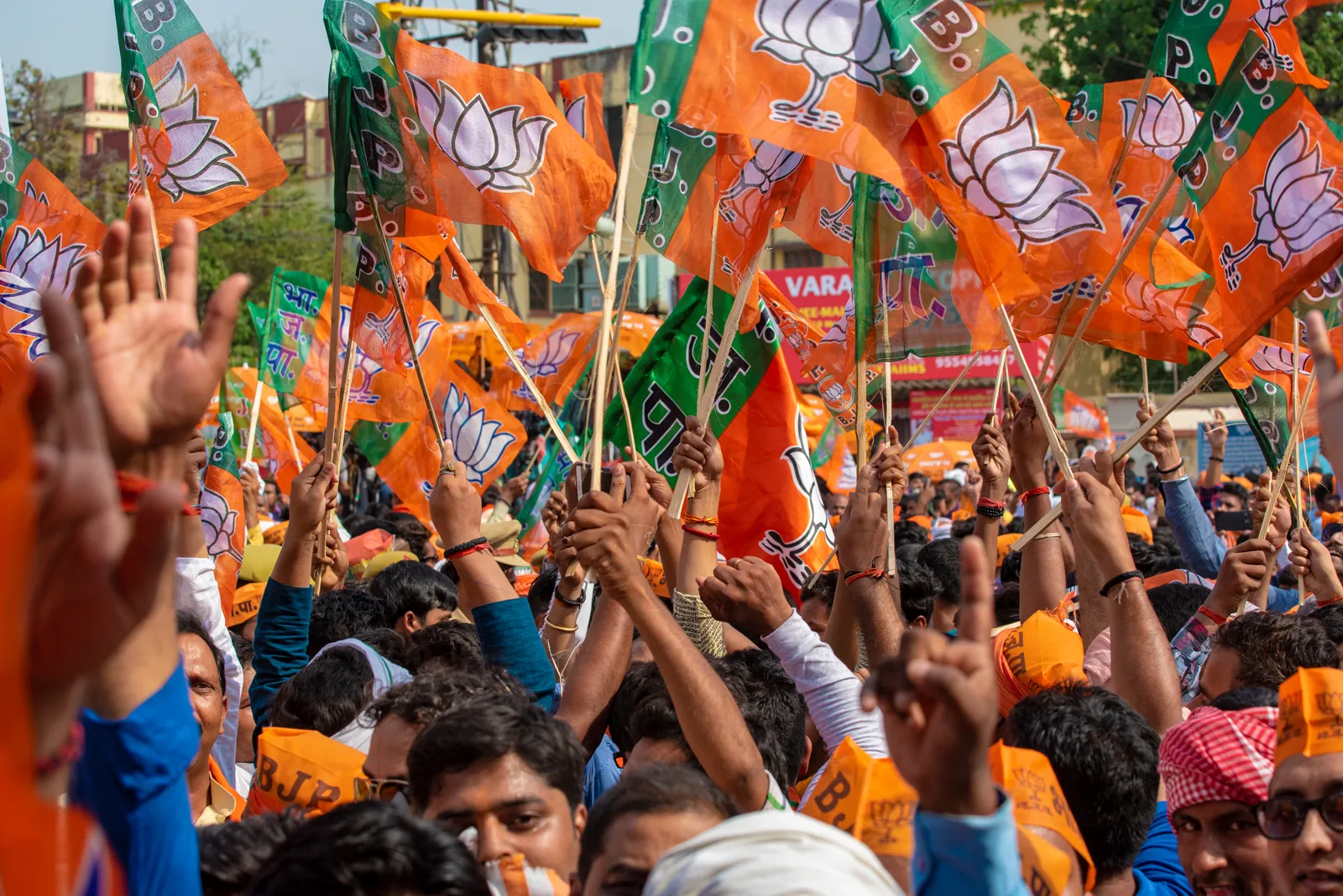
The Bharatiya Janata Party (Bharatiya Janata Party) has registered a major political victory, marking another significant milestone in India’s evolving political landscape. The latest electoral success has strengthened the party’s national influence and reinforced Prime Minister Narendra Modi’s leadership ahead of upcoming political battles across several states.
Political analysts believe this victory is more than just an election result—it reflects a broader shift in voter sentiment across urban and rural India. BJP’s campaign focused heavily on development, welfare schemes, infrastructure growth, and national security, which resonated strongly with voters. The party’s strong organizational structure and grassroots mobilization also played a decisive role in the outcome.
Opposition parties, meanwhile, are now under pressure to reassess their political strategies. Leaders from major opposition blocs have called for unity and stronger coalition-building to challenge BJP’s growing dominance. Experts suggest that unless opposition parties present a unified front, BJP’s electoral momentum could continue well into future national and state elections.
This victory is also being viewed as a message from the electorate regarding governance and stability. Supporters see it as public approval of the government’s policies, while critics argue it raises important questions about political balance and democratic competition.
With this result, the BJP has once again demonstrated its ability to connect with voters across regions and demographics. As India moves toward the next electoral cycle, all eyes will remain on how this political momentum shapes the country’s future governance and policy direction.