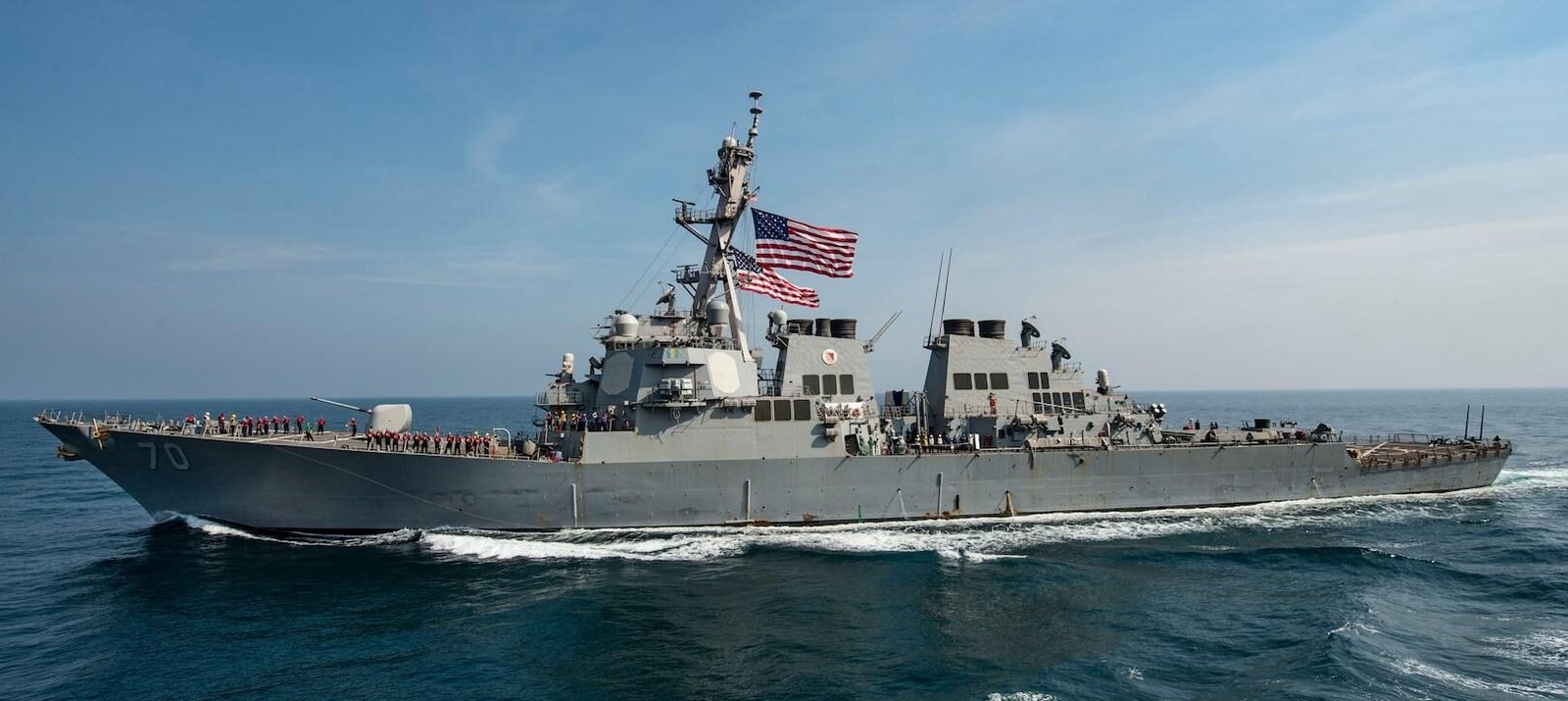
Tensions in the Strait of Hormuz have sharply escalated after Iran issued a stern warning that “no port in the Gulf will remain safe” if its own maritime facilities come under threat. The warning follows a new announcement from the United States about enforcing a blockade targeting Iranian ports and coastal areas.
A spokesperson from Iran’s Khatam al-Anbiya Central Headquarters stated that maritime security in the region must be collective, adding that any action aimed at weakening Iran’s ports could trigger broader consequences across neighboring Gulf nations. The spokesperson cautioned that targeting Iranian infrastructure would destabilize the wider region, including the Persian Gulf and the Gulf of Oman.
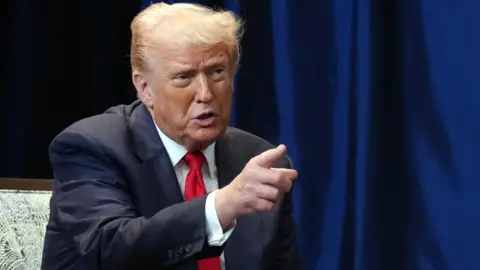
The situation escalated after Donald Trump announced that the U.S. would begin a blockade and warned that American forces would intercept vessels found to have paid what he called an “illegal toll” to Iran. He further cautioned that any hostile action against U.S. forces or peaceful shipping could be met with force. Trump also said the U.S. Navy would start clearing naval mines that Iran allegedly placed in the strait—one of the world’s most critical energy corridors.
The move comes at a delicate time for global energy markets. The Strait of Hormuz carries a significant share of the world’s oil and liquefied natural gas, making it a vital artery for international trade. The threat of disruption has already caused ripples in shipping activity, with commercial maritime traffic reportedly slowing after the blockade announcement.
Diplomatic efforts to ease tensions, including negotiations in Pakistan, have so far failed to produce a breakthrough. As both sides harden their positions, concerns are growing that further escalation could endanger regional stability and global energy supplies.
About the Author